The Engineering Principles Behind Scalable Flutter Apps
Every engineering team runs into the same wall eventually. A product starts with a clean codebase, a small team, and a clear vision. Features go in fast, decisions get made pragmatically, and development moves quickly. Then growth happens: more developers join, more requirements land, more integrations get bolted on. Changes that used to take hours start taking days, because nobody's fully confident anymore about what a given change will actually touch.
It's rarely one bad architectural call. More often it's dozens of individually reasonable shortcuts that quietly stack up into real complexity. As applications mature, maintainability becomes one of the most important engineering concerns there is, since the ability to add new capability without destabilizing what already works has a direct effect on development speed, product quality, and how well the thing scales long-term. This post covers the architectural principles that keep Flutter apps reliable and adaptable as they grow.
The hidden cost of growth
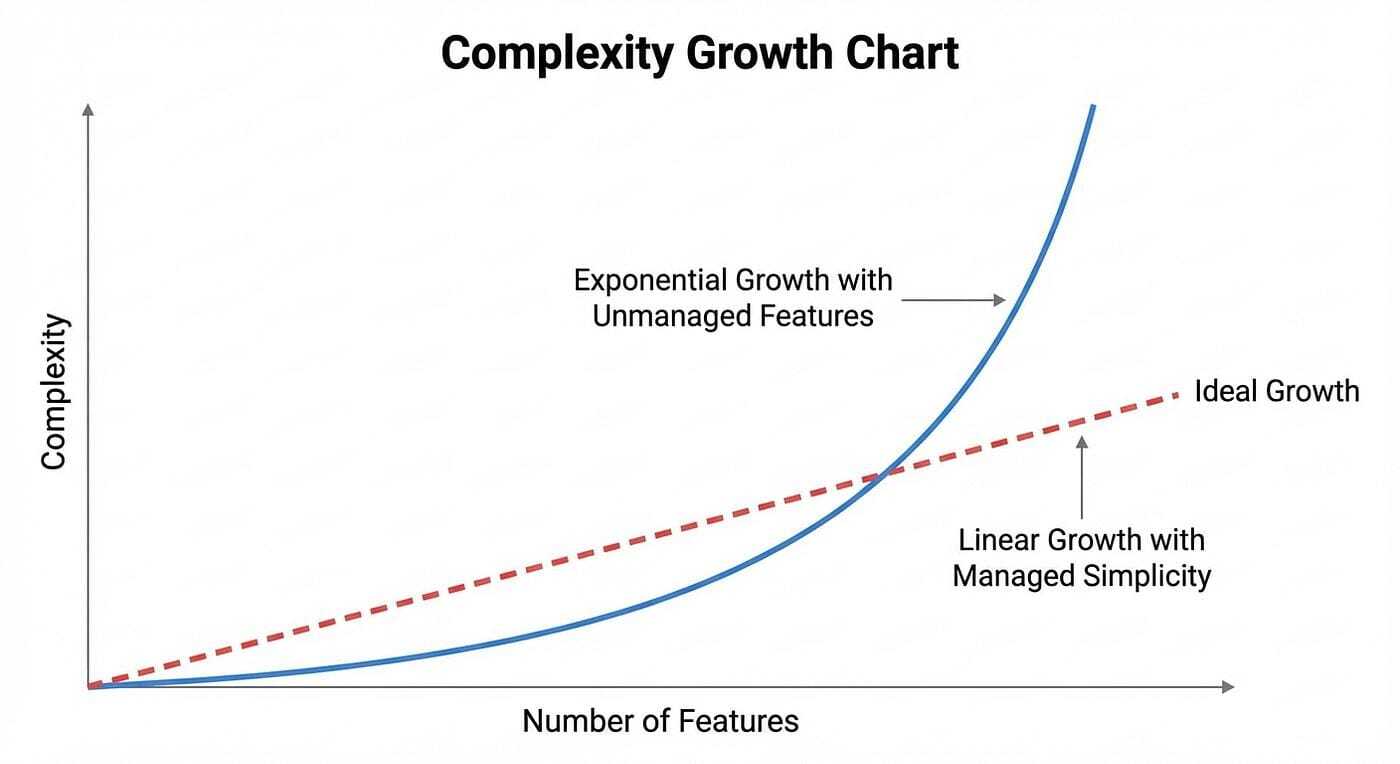
Most mobile apps do fine in their early stages. The architecture is simple, the feature set is limited, dependencies stay manageable. Over time, though, a familiar set of patterns creeps in: features get tightly coupled, shared logic spreads across screens that shouldn't know about each other, design consistency gets harder to hold onto, error handling starts differing between teams and modules, and adding new functionality means understanding parts of the app that have nothing to do with it.
None of this shows up overnight. It builds gradually and stays mostly invisible until complexity crosses some threshold, and the app becomes harder to evolve with every release. Instead of enabling new work, the codebase starts actively resisting change.
Why architectural boundaries matter
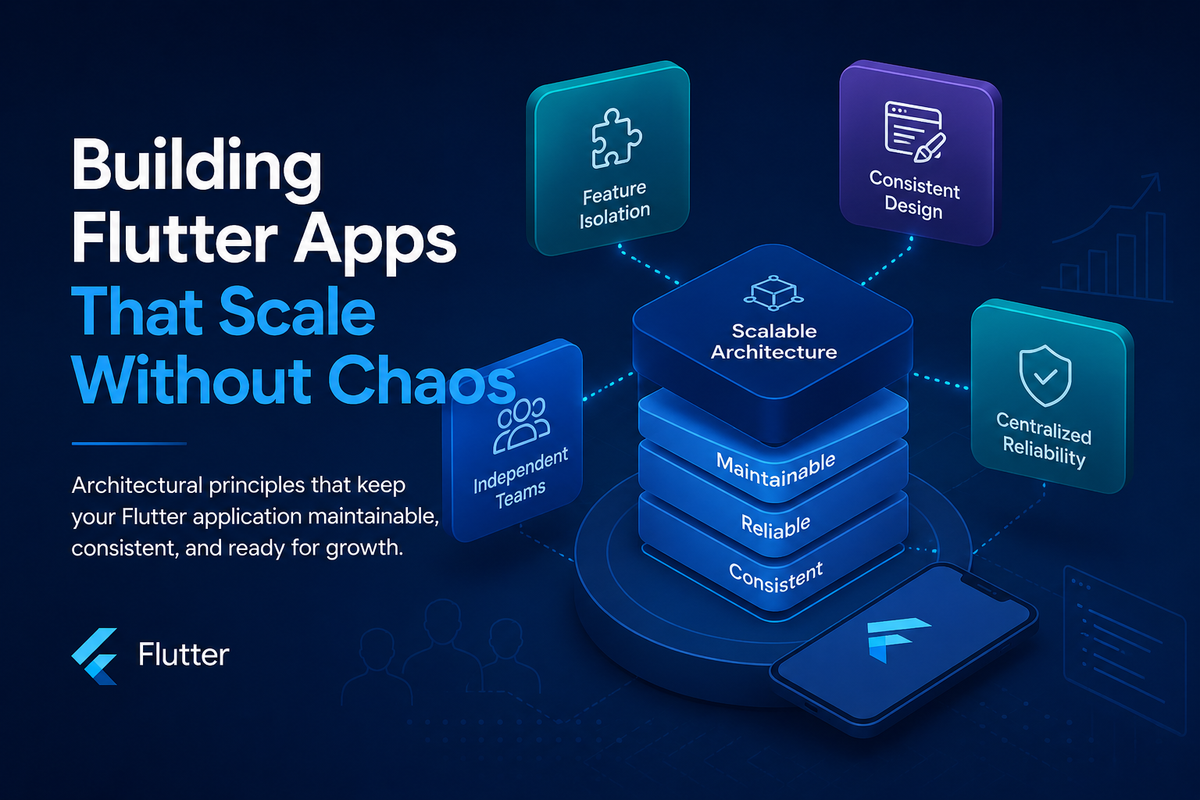
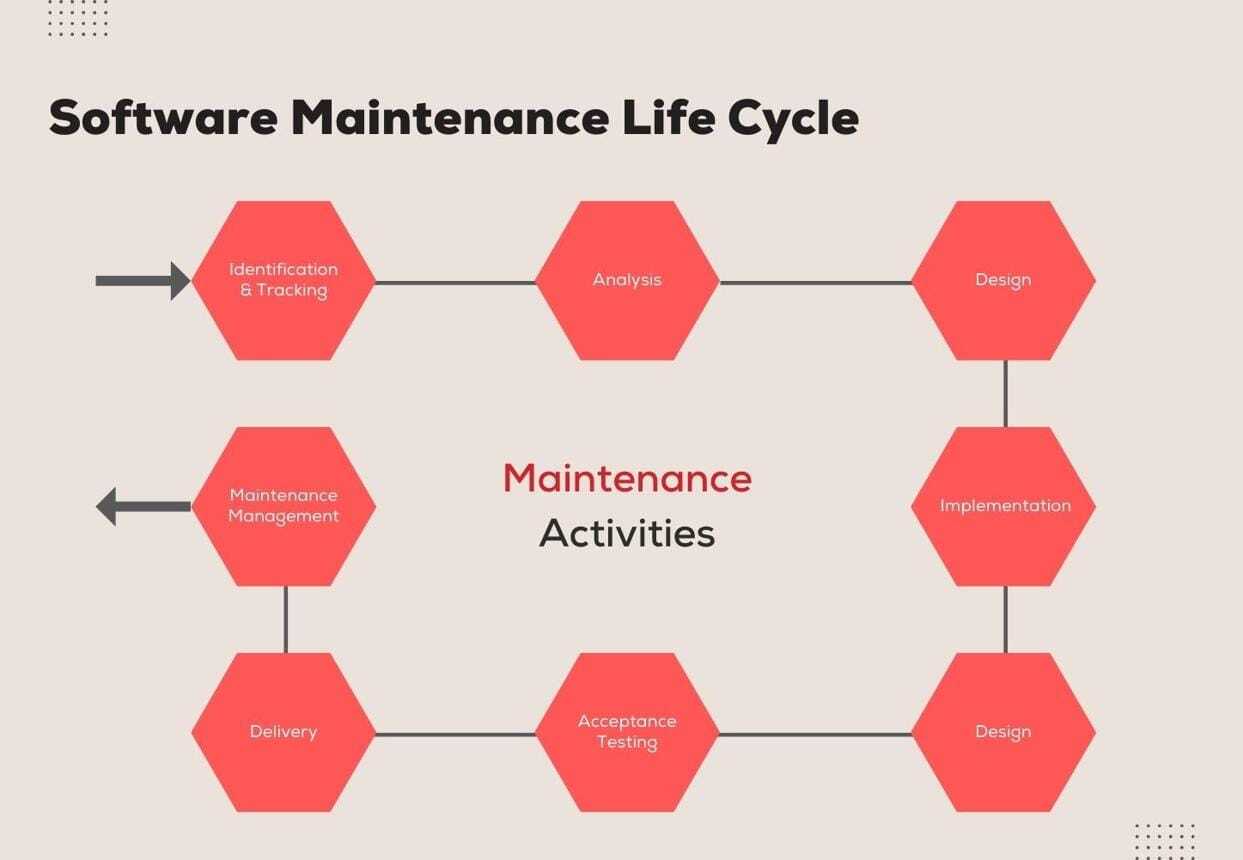
One of the most effective ways to hold onto maintainability is a clear separation of responsibilities. Well-defined boundaries mean individual features can change independently without triggering side effects somewhere else in the app.
That gets you a few real benefits. Development is faster, because when engineers know exactly where functionality belongs, implementation gets more predictable and onboarding gets easier. Risk goes down, because changes stay isolated and teams can touch a feature without worrying about breaking something unrelated. Testing improves, since independent components are a lot easier to test than a tangle of interconnected ones. And long-term scalability holds up better, since new capability can go in without a large-scale refactor. In practice, architectural boundaries keep complexity localized instead of letting it spread through the whole app.
Designing for change, not just features
A lot of teams design architecture around whatever's needed right now. A more sustainable approach is designing around future change. Instead of asking "how do we implement this feature?", the more useful question is "how will this feature look two years from now?"
That shift pushes architectural decisions toward flexibility. Authentication systems evolve. Analytics requirements expand. New platforms show up. AI-powered features become table stakes. Regulatory requirements shift underneath you. Apps built to anticipate that kind of change hold up a lot better than apps optimized purely for today's requirements. The goal isn't predicting the future perfectly, it's making sure future changes stay manageable when they do arrive.
Consistency is an engineering problem
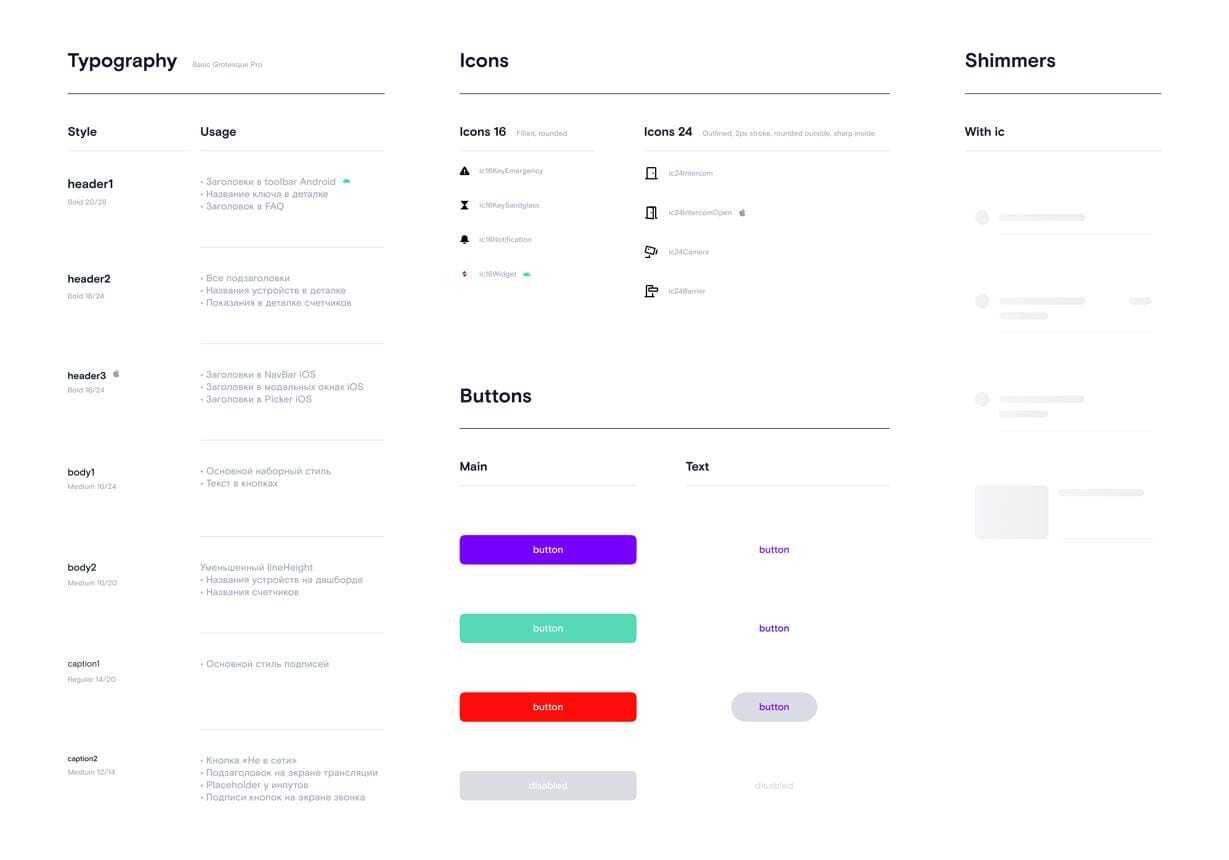
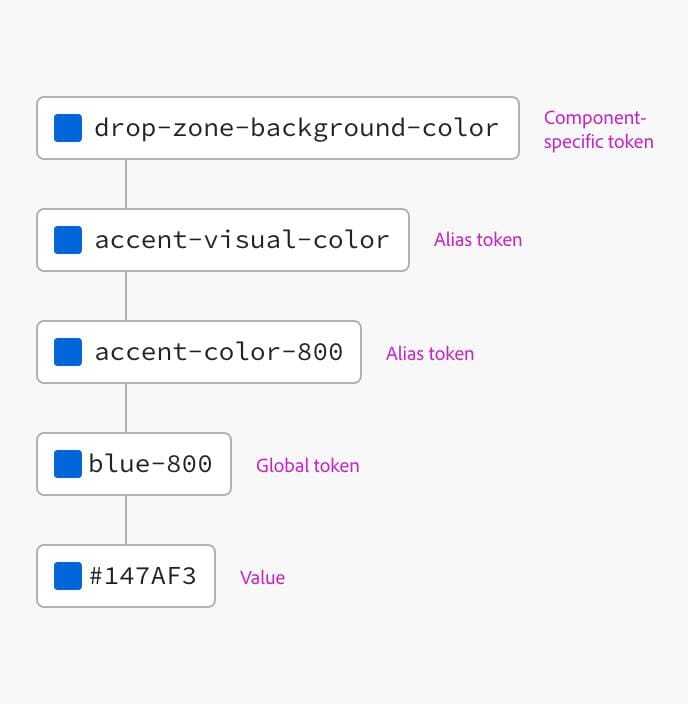
User experience consistency usually gets treated as a design concern, but it's just as much an engineering one. As products grow, holding a unified experience across dozens of screens gets genuinely difficult: spacing gets inconsistent, the same component gets implemented differently in different places, dark mode support ends up partial, similar interactions get built multiple different ways.
Left alone, these inconsistencies build up and create friction for users and developers alike. The products that handle this well establish a shared design language early and build every new feature on top of it. Once consistency becomes part of the development process instead of something fixed after the fact, teams spend less time patching UI issues and more time actually shipping value.
Reliability needs centralized thinking
Another common source of complexity is decision-making that's scattered across teams. Take error handling: without a shared strategy, every team or feature ends up making its own independent calls about logging, user messaging, recovery behavior, and monitoring. That looks flexible at first, but over time it creates an unpredictable user experience and real operational headaches.
Organizations that build genuinely reliable products tend to centralize the cross-cutting concerns: error management, observability, security, authentication, performance monitoring. That gives consistency across the whole app while cutting duplicated effort, and the result is a more predictable, more trustworthy product.
Measuring architectural success
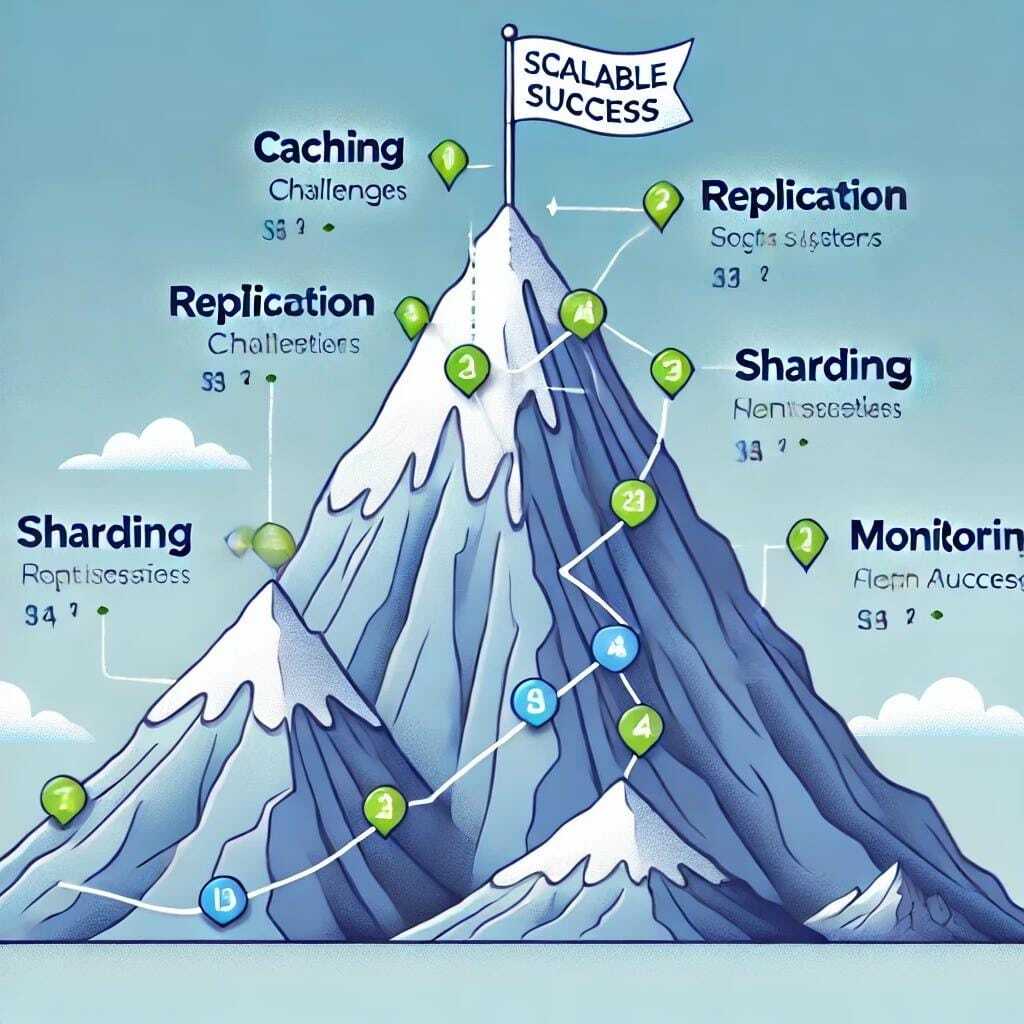
Architecture often gets judged by diagrams, patterns, or how clever it looks. There's a more practical measure: a strong architecture should make new capability easier to add. When a significant new feature shows up, teams shouldn't need to redesign large chunks of the app to fit it in, the architecture should just naturally absorb the growth.
A few useful signals to watch for: new features integrate smoothly, without extensive changes to existing systems; teams can work independently, with multiple developers contributing at once without constant conflicts; performance stays predictable, so growth in functionality doesn't cause disproportionate resource use; and maintenance costs stay manageable, with engineering effort going toward new work rather than constant firefighting. If these trends improve over time, the architecture is probably doing its job.
What this means for mobile apps today
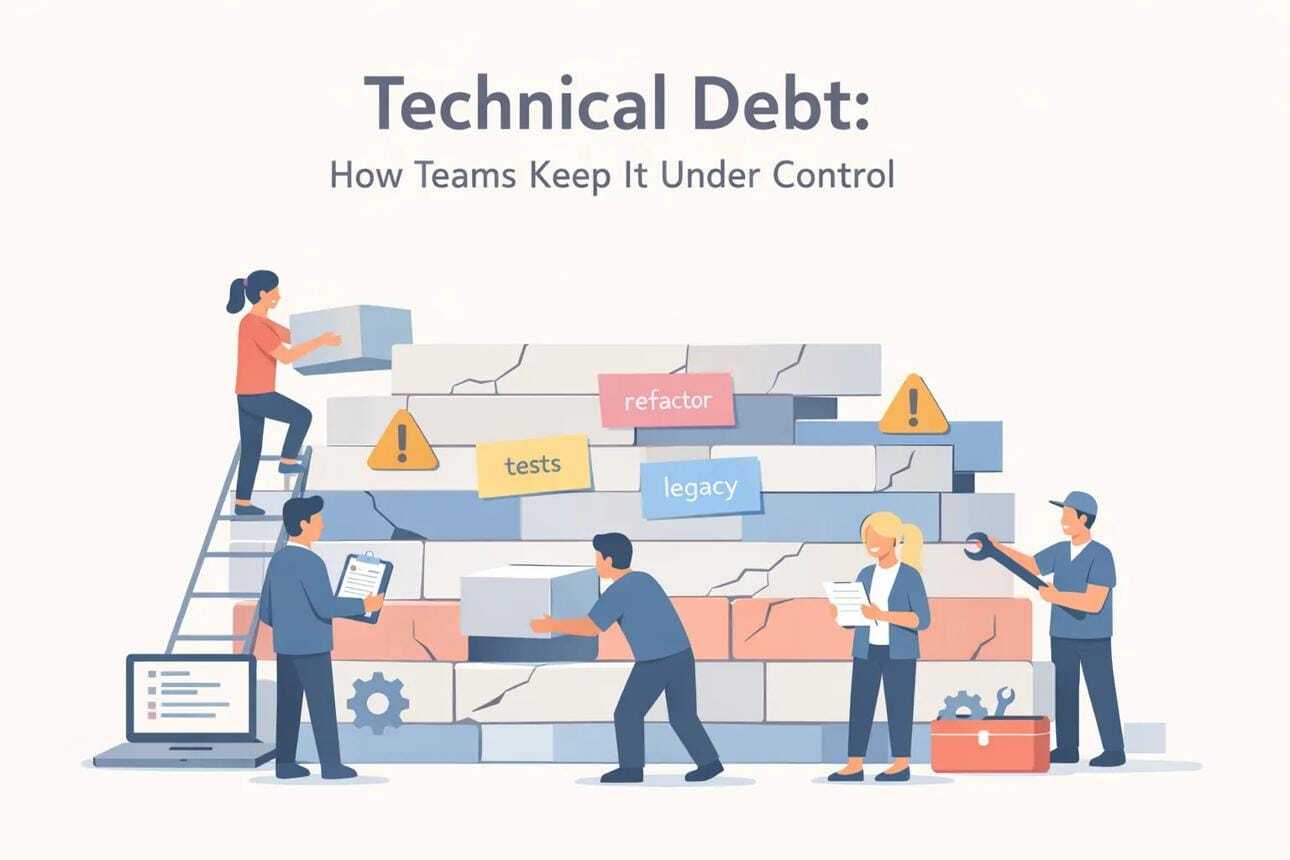
Expectations on mobile apps keep rising. Users want seamless experiences across devices, real-time interaction, intelligent recommendations, personalization, and consistent performance, all at once. Meeting that takes more than shipping features, it takes a foundation built for continuous change. Architectural discipline is what lets a team keep moving fast without piling up unsustainable technical debt.
The most successful products usually aren't the ones built on the newest tech. They're the ones designed to stay adaptable as the tech underneath them keeps changing.
Key takeaways
- Software complexity grows naturally as products evolve.
- Architectural boundaries head off maintainability problems before they get expensive.
- Consistency should be built into the development process, not patched on afterward.
- Centralizing reliability concerns improves both user experience and operational efficiency.
- The real test of an architecture is how easily it absorbs future growth.
- Sustainable engineering practices let organizations innovate faster over the long run.
Architecture is rarely about picking the most sophisticated pattern available. It's about building systems that stay understandable, adaptable, and reliable years after the first release. The architectural decisions that actually pay off are usually the ones that make future change feel routine instead of risky.