Making Power Rails Self-Describing During Bring-Up
Bring-up is where hardware stops being theoretical. You power the board for the first time, and suddenly everything that looked clean in schematics becomes a question. Is this rail actually up? Is it stable or just momentarily present? Did the regulator enable correctly? Is the downstream load pulling it down? Is this the right rail, or am I probing the wrong net?
And most of the time, the board doesn't answer these questions. It just sits there, powered, but silent. At Hoomanely, we approach this differently. We design power rails so they don't just exist, they describe themselves during bring-up. Because the faster you understand what each rail is doing, the faster you understand the system.
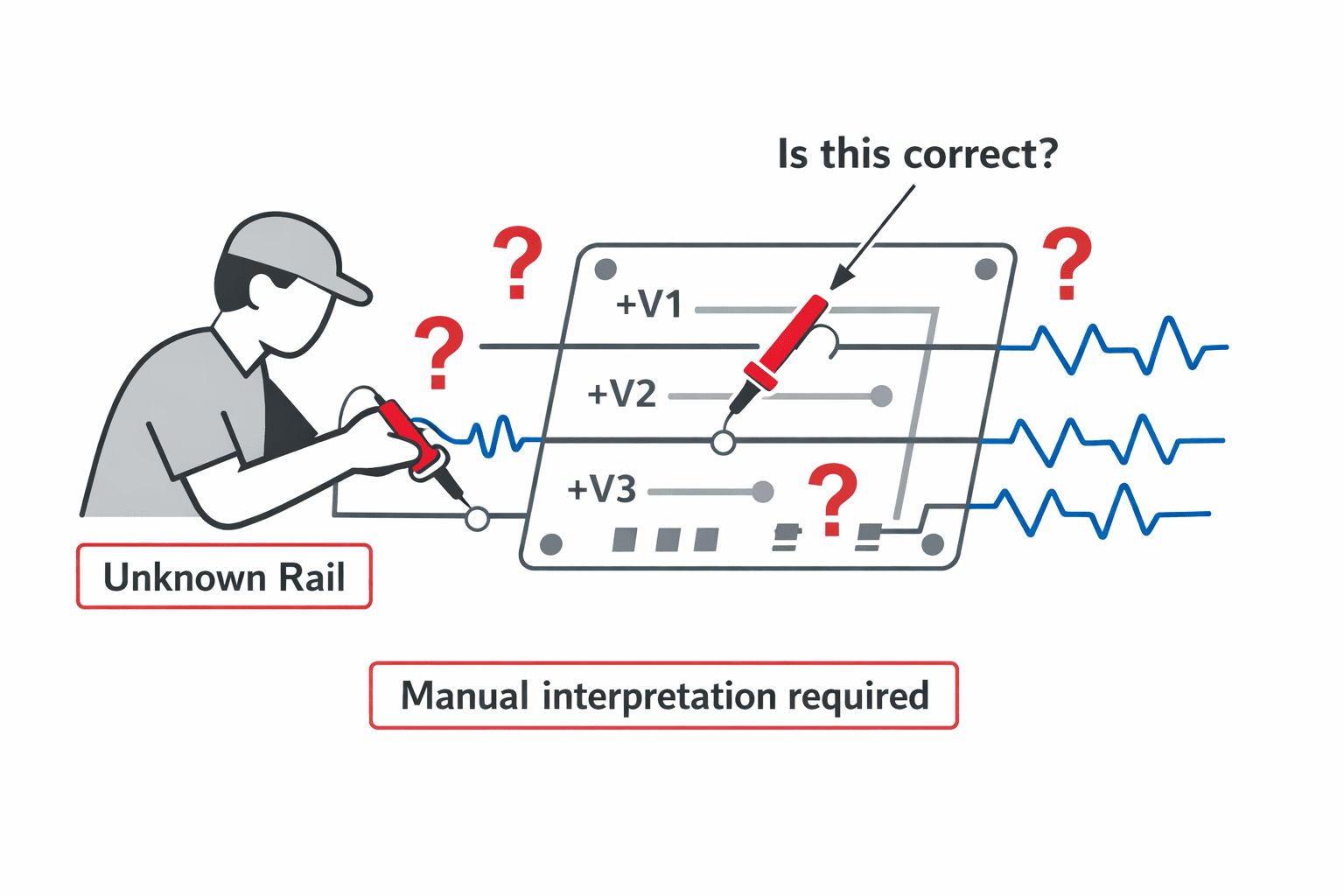
The problem: power rails that require interpretation
In a conventional design, power rails are passive. You probe them with a scope or multimeter and try to interpret voltage level, ripple, rise time, and sequencing. This works, but it depends entirely on the person probing. That creates friction, engineers spend time locating the right test point, misidentification of rails is common, transient issues are missed, and sequencing problems are hard to observe.
The system has information, but it isn't exposed clearly. So bring-up becomes a process of discovery instead of confirmation.
What "self-describing" actually means
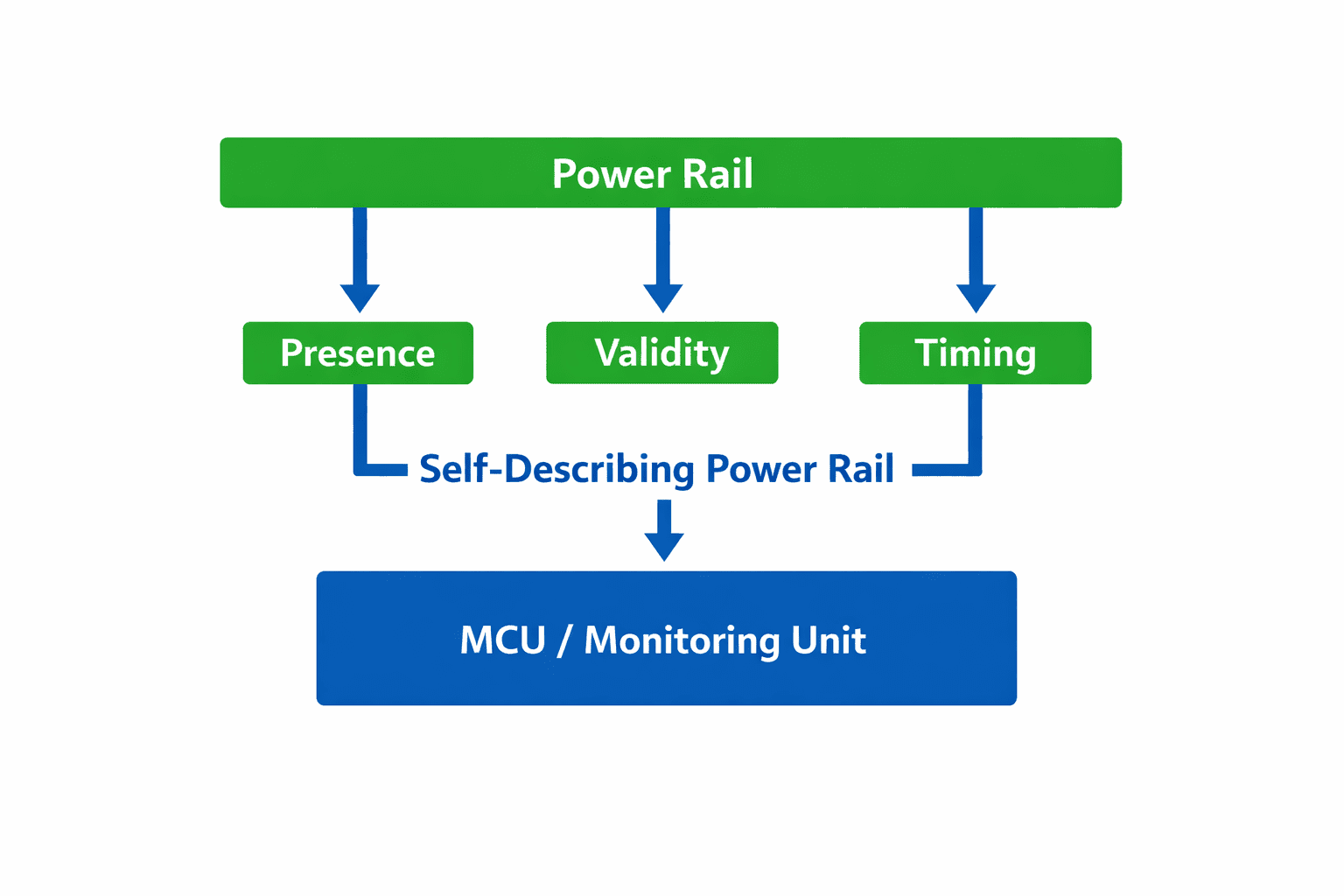
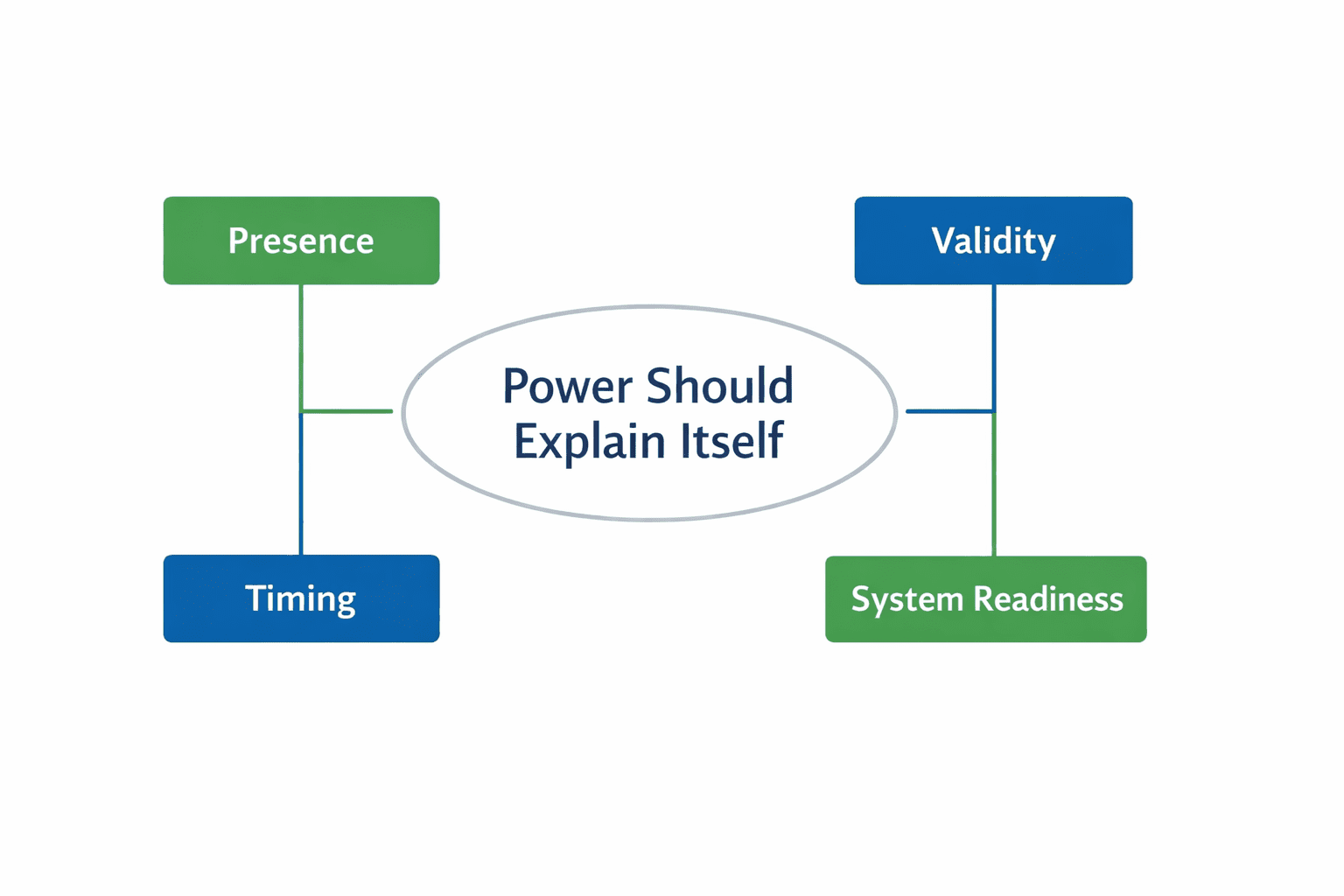
A self-describing power rail communicates three things clearly: presence, is the rail actually up; validity, is it within the expected operating range; and timing, did it come up at the right time relative to other rails. This information should be available without needing deep probing or guesswork, through visible indicators, structured signals, and predictable behavior. The goal isn't to replace measurement tools, it's to reduce dependency on them.
Power-good signals are not optional
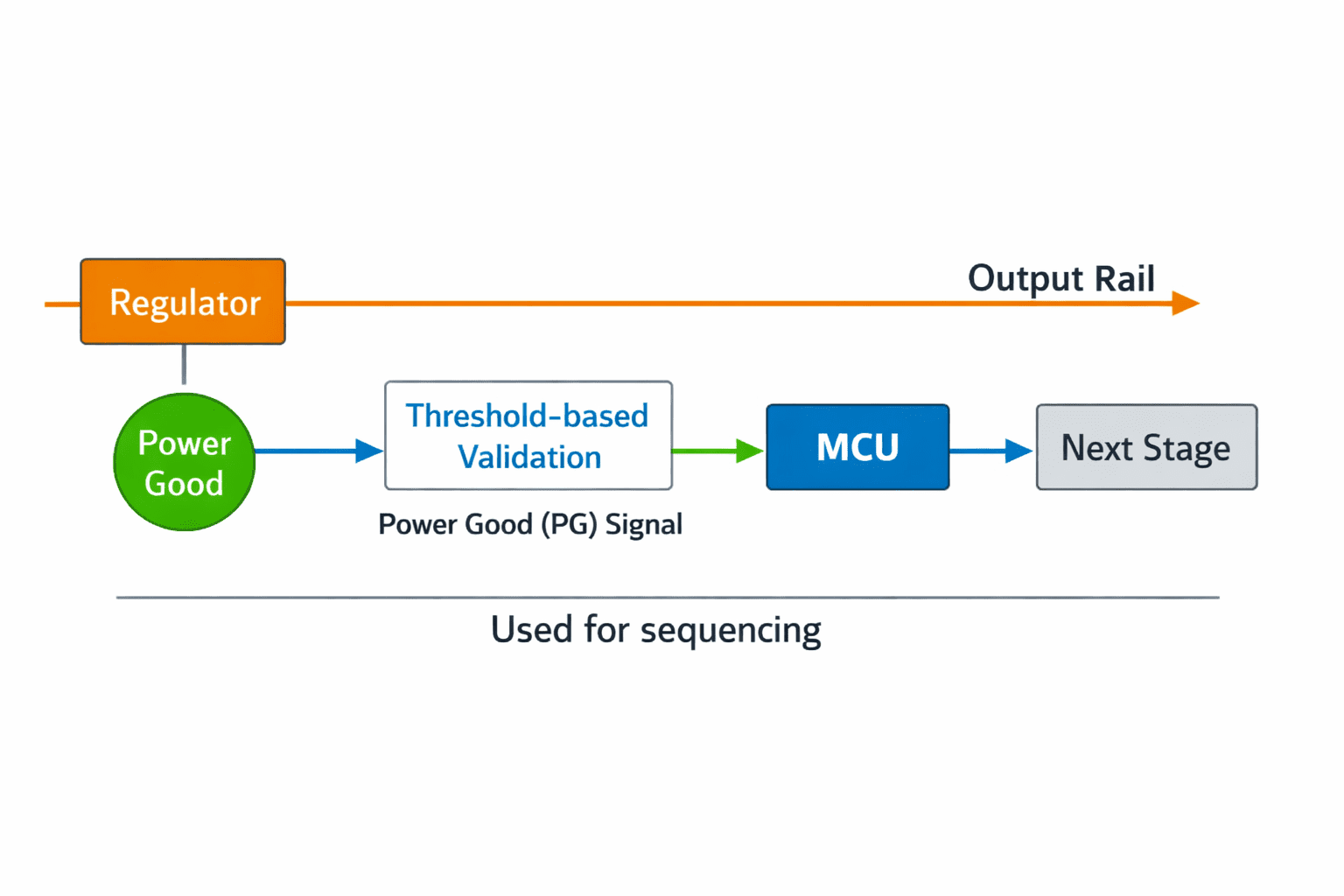
The simplest and most powerful building block is the power-good signal. Instead of assuming a rail is valid because it's enabled, we explicitly detect when the rail reaches its threshold, whether it remains stable, and whether it drops unexpectedly. This signal then gets used for enabling downstream rails, gating subsystem initialization, driving status indicators, and exposing system state to firmware. A rail without a power-good signal is just a voltage. A rail with a power-good signal is information.
Making rail identity obvious
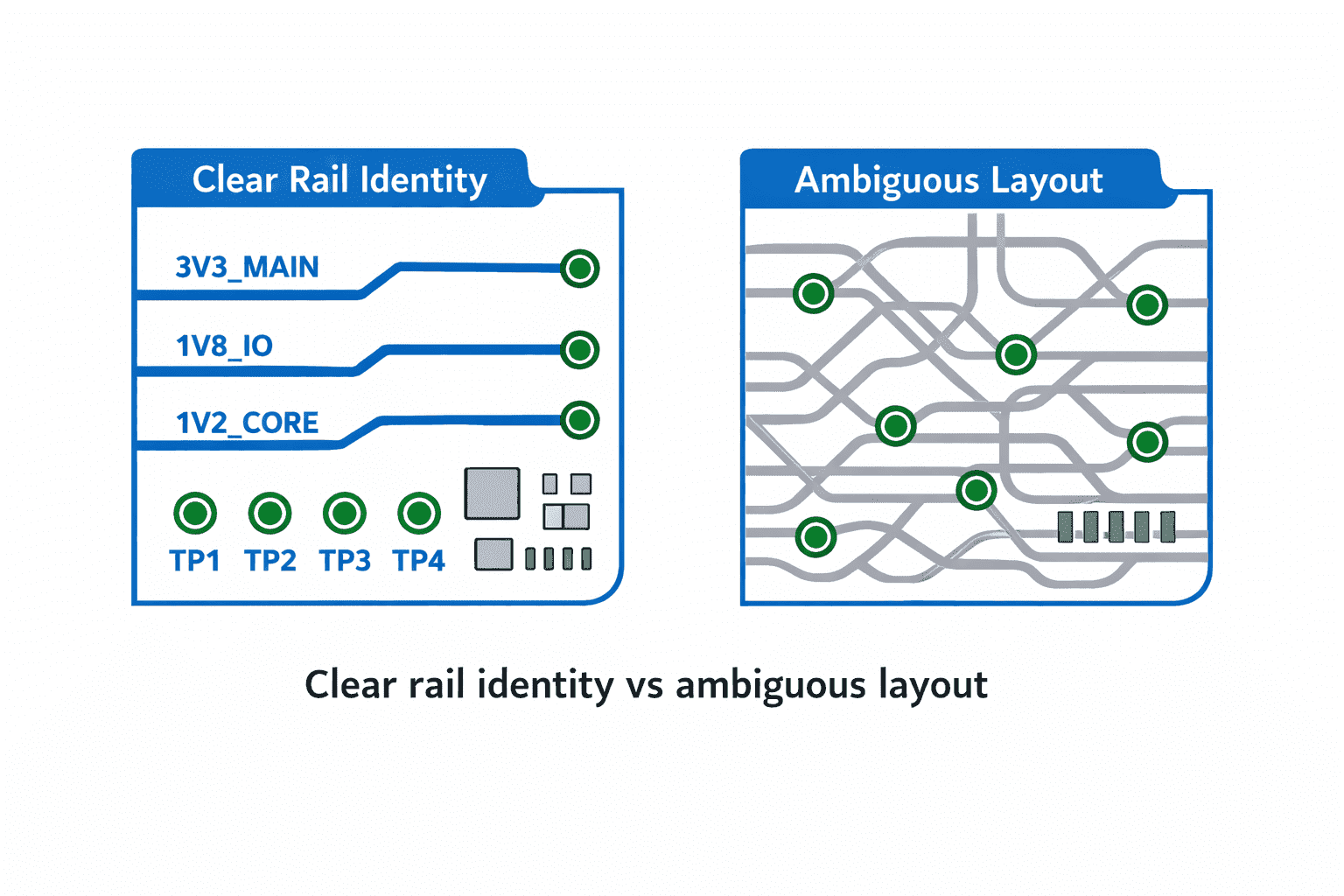
One of the most common bring-up issues is simply identifying rails. On dense boards, multiple rails run close together, test points are scattered, and naming is only visible in schematics. This leads to probing the wrong rail, misinterpreting measurements, and wasted debug cycles.
So we design for physical clarity:
- Clearly labeled test points
- Consistent naming conventions
- Logical grouping of rails
- Accessible probing locations
The engineer shouldn't need to cross-reference the schematic to know what they're measuring. The board should make that obvious.
Sequencing should be visible, not assumed
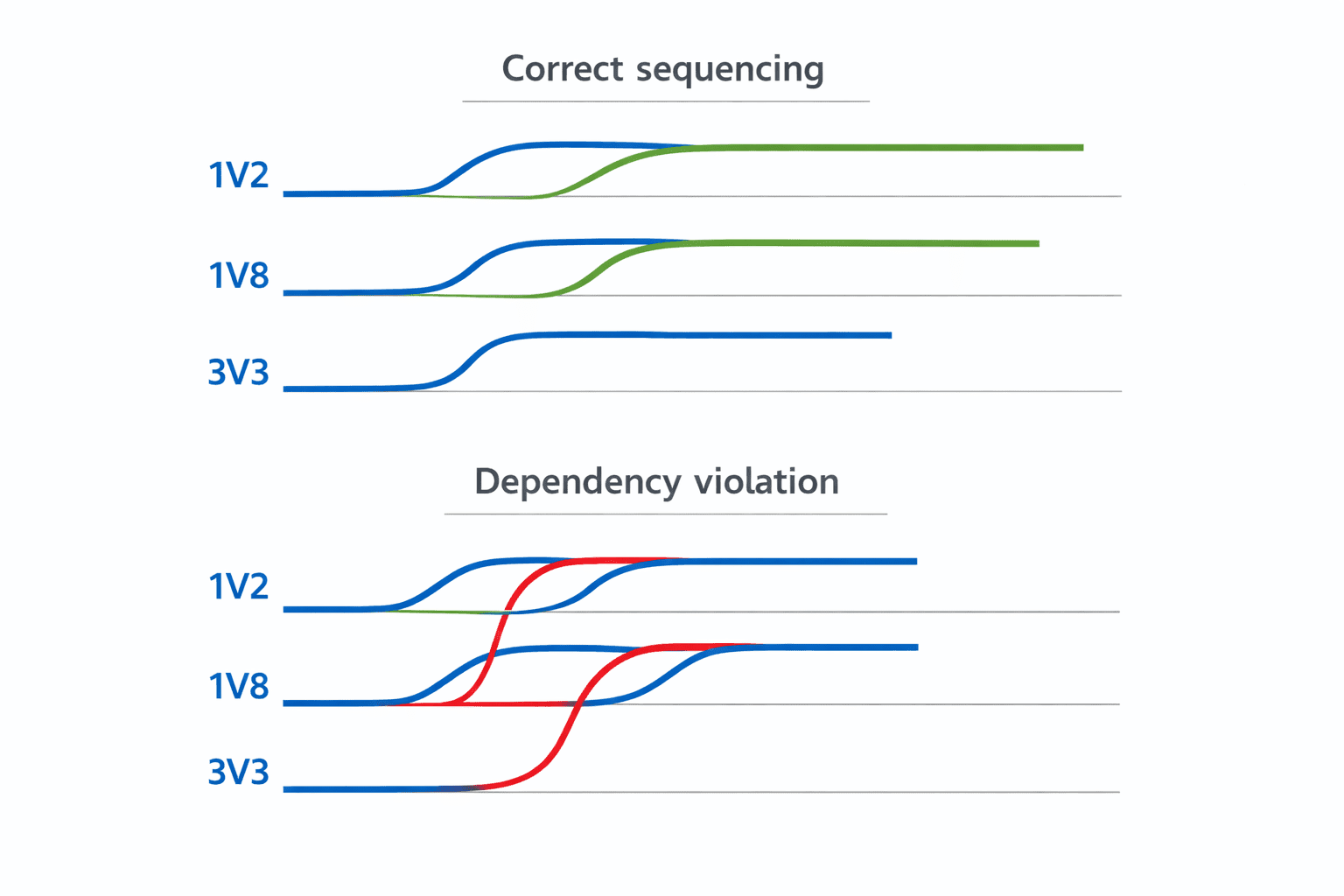
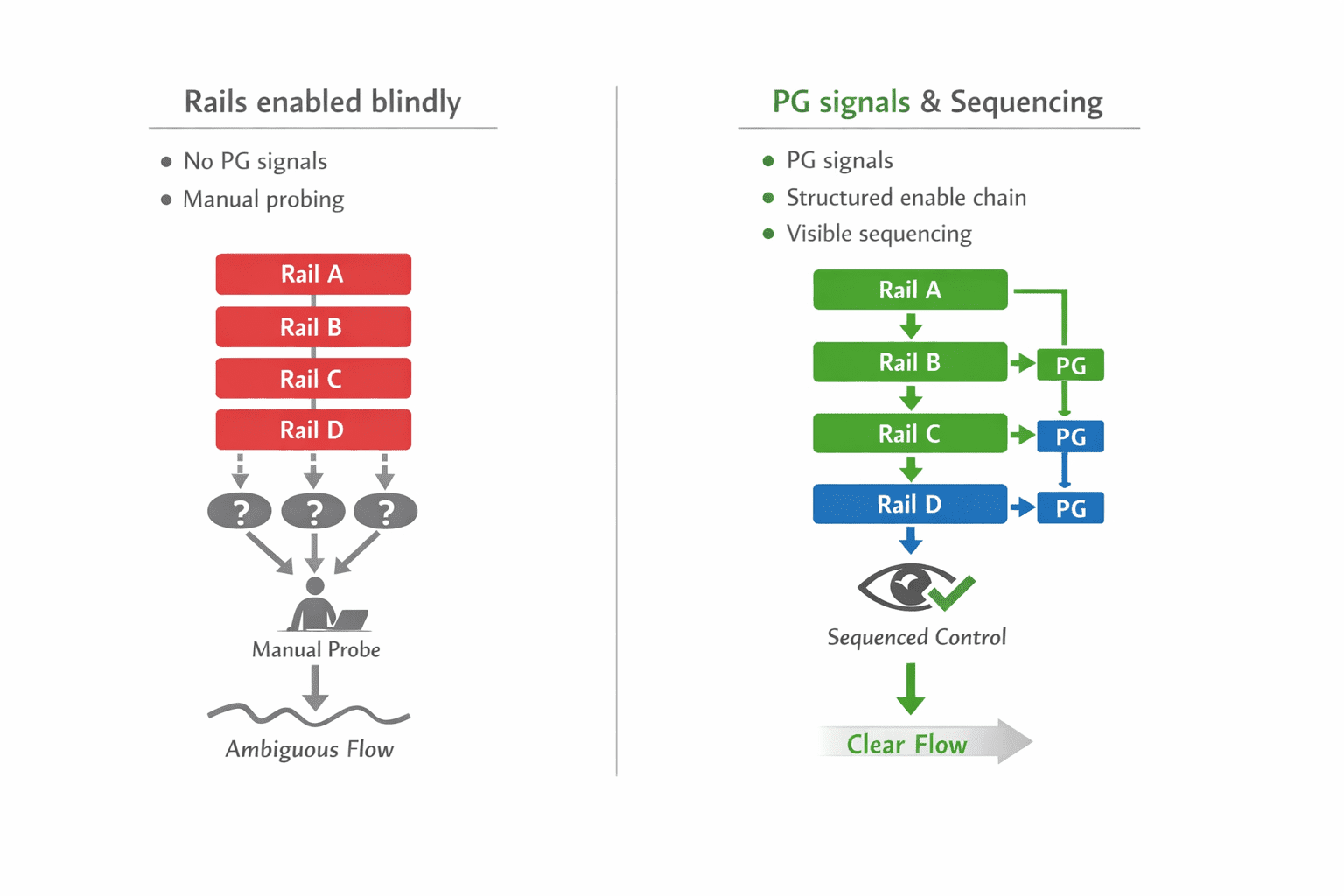
Many systems rely on power sequencing, core rails before IO, analog before digital, sensors after processing units. But sequencing errors are hard to detect unless explicitly designed for. Without visibility, rails may overlap incorrectly, delays may be missing, and dependencies may be violated.
So we expose sequencing behavior through staged power-good signals, observable enable chains, distinct rise-time differences, and optional LED or debug indicators. This lets engineers see not just that rails are up, but how they came up.
Avoiding false positives: "rail is up" vs "rail is usable"
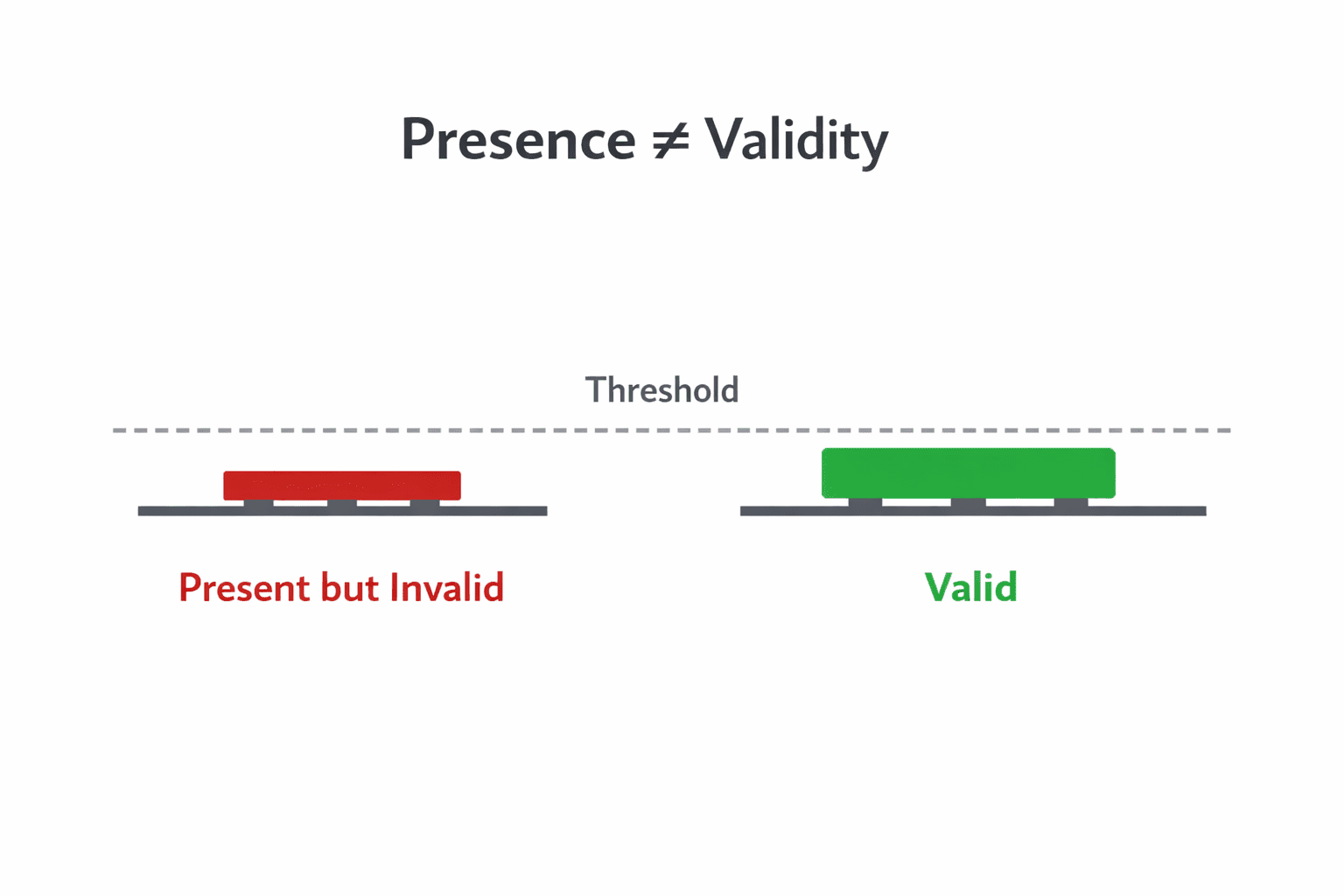
A rail can be present but not usable, for example if voltage is slightly below spec, ripple is excessive, load is unstable, or the regulator is oscillating. If the system treats this as "rail OK," it creates hidden issues. So we design thresholds carefully, power-good signals tied to meaningful limits, not just presence, but validity. This ensures downstream systems only start when conditions are correct, partial failures are caught early, and debugging becomes more deterministic.
Decoupling observation from measurement
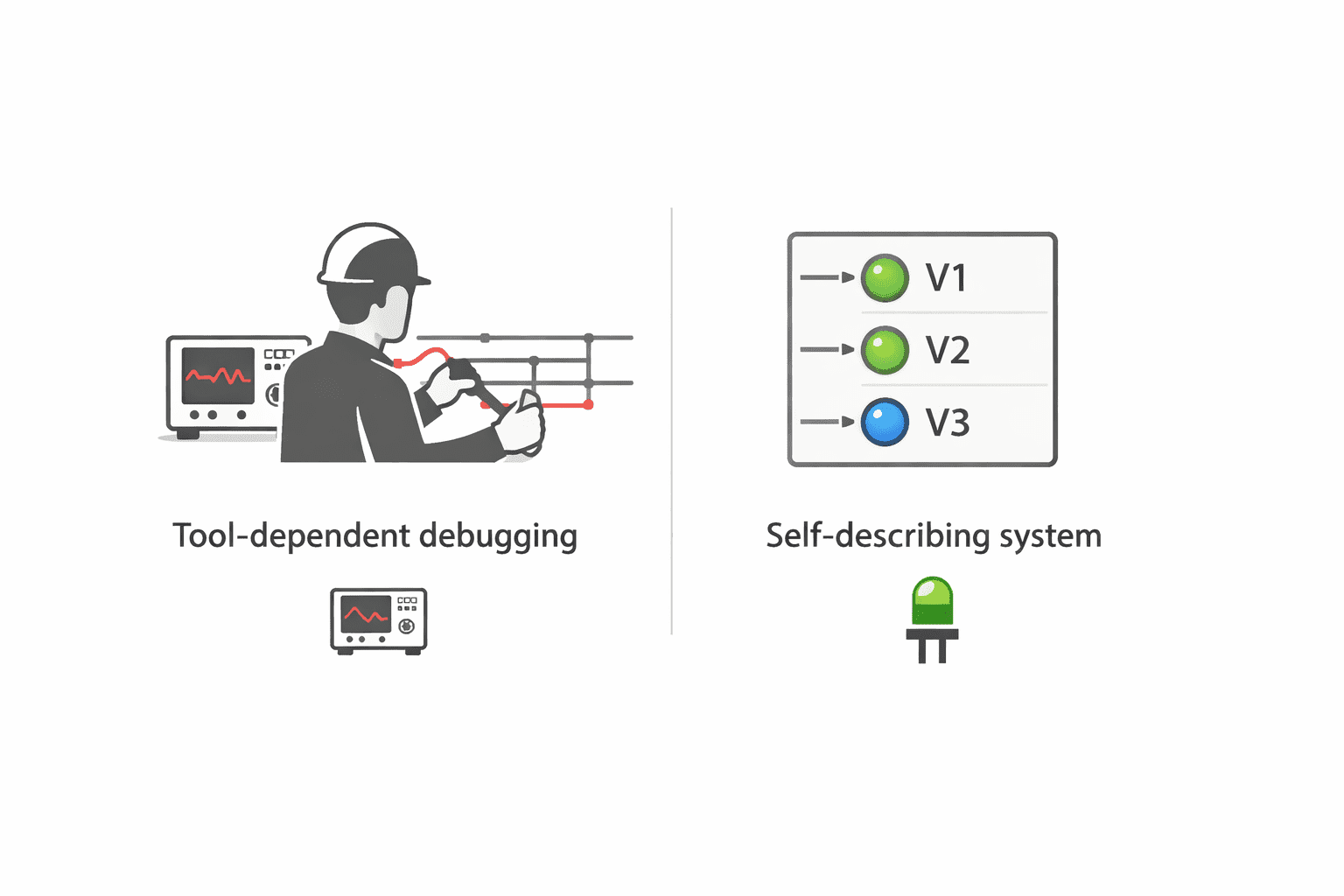
Traditional bring-up depends heavily on instruments, oscilloscopes, multimeters, logic analyzers. These are essential, but they shouldn't be the only source of truth. We design boards so basic rail status is visible without tools, sequencing can be inferred from system behavior, and faults are detectable through simple observation. This is especially useful in field diagnostics, early bring-up, and quick validation cycles. The system should explain itself before you attach probes.
Aggregating rail status into system state
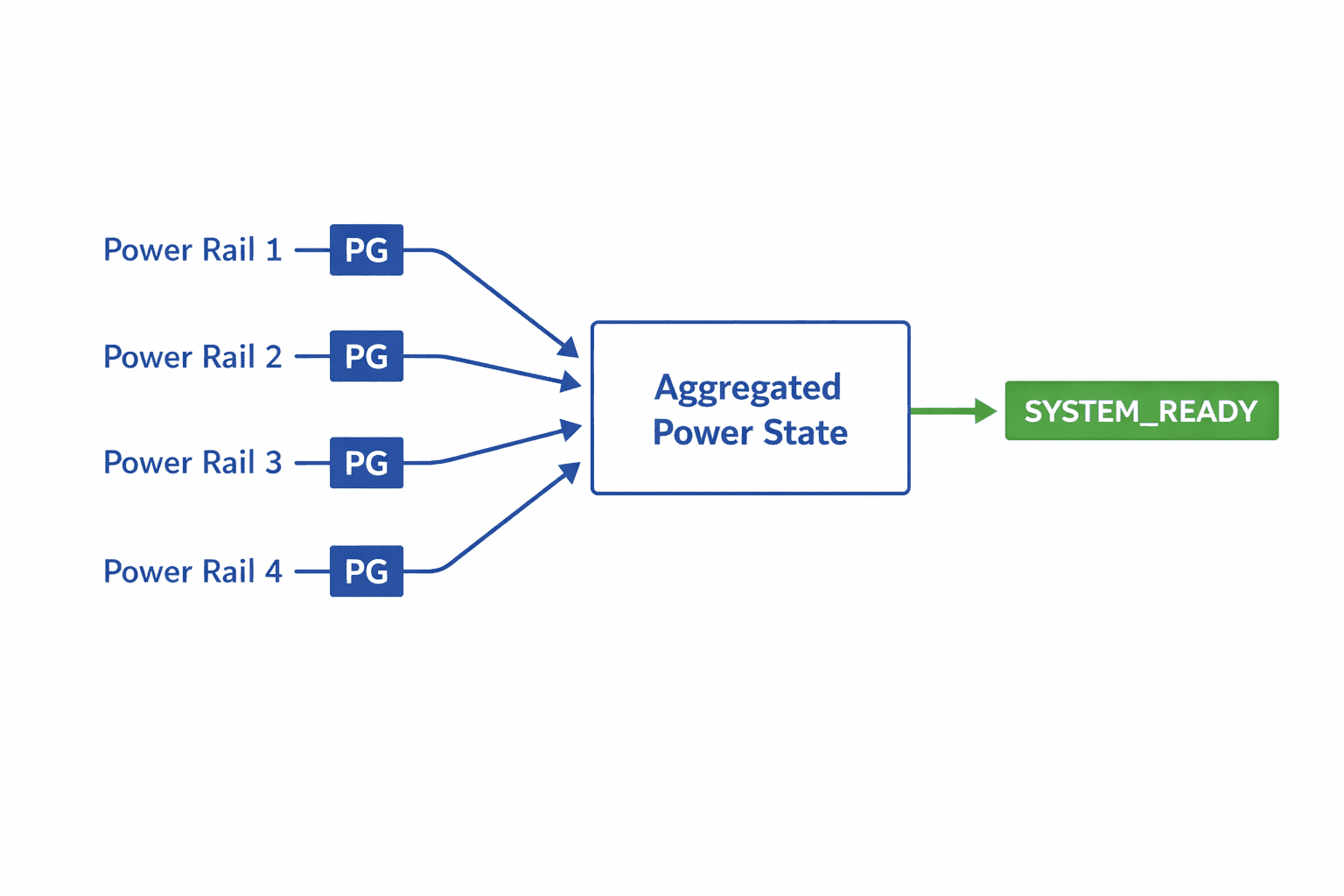
In multi-rail systems, individual rail signals are useful, but system-level understanding is better. So we aggregate multiple power-good signals, enable states, and sequencing checkpoints into a single system readiness signal, which can drive status LEDs, firmware readiness flags, and debug interfaces. Instead of checking five rails individually, the system can answer "am I ready?" That reduces complexity and improves clarity.
Practical observations from EverBowl-like systems
In systems similar to EverBowl, where multiple sensing and processing domains coexist, power behavior becomes critical. We observed bring-up time reduced significantly, as engineers could immediately identify missing or unstable rails. Debug cycles became shorter, with less time spent probing and more time understanding. Fewer issues got misdiagnosed, since clear rail identity reduced confusion between rails. System stability improved, as subsystems only initialized when rails were truly valid. And field reliability got better, as systems handled partial power conditions more gracefully. These improvements came from making power visible, not just present.
Conventional vs structured approach
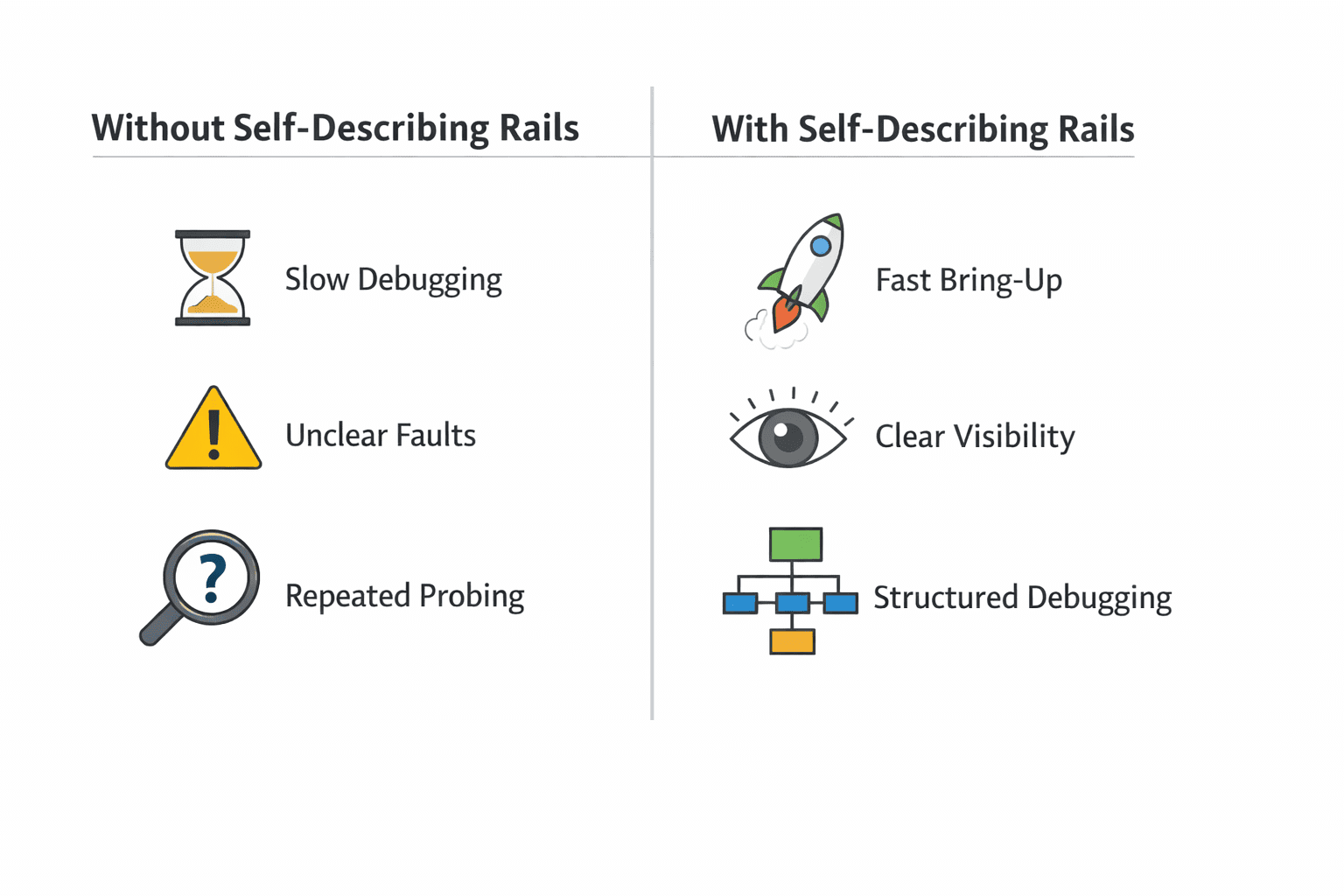
Conventionally, rails get enabled blindly, validity gets assumed, sequencing gets inferred manually, and debugging stays tool-dependent. In the Hoomanely approach, rails expose presence and validity, sequencing is observable, identity is physically clear, and the system aggregates rail state. The difference isn't complexity. It's intentional visibility.
Designing for real bring-up conditions
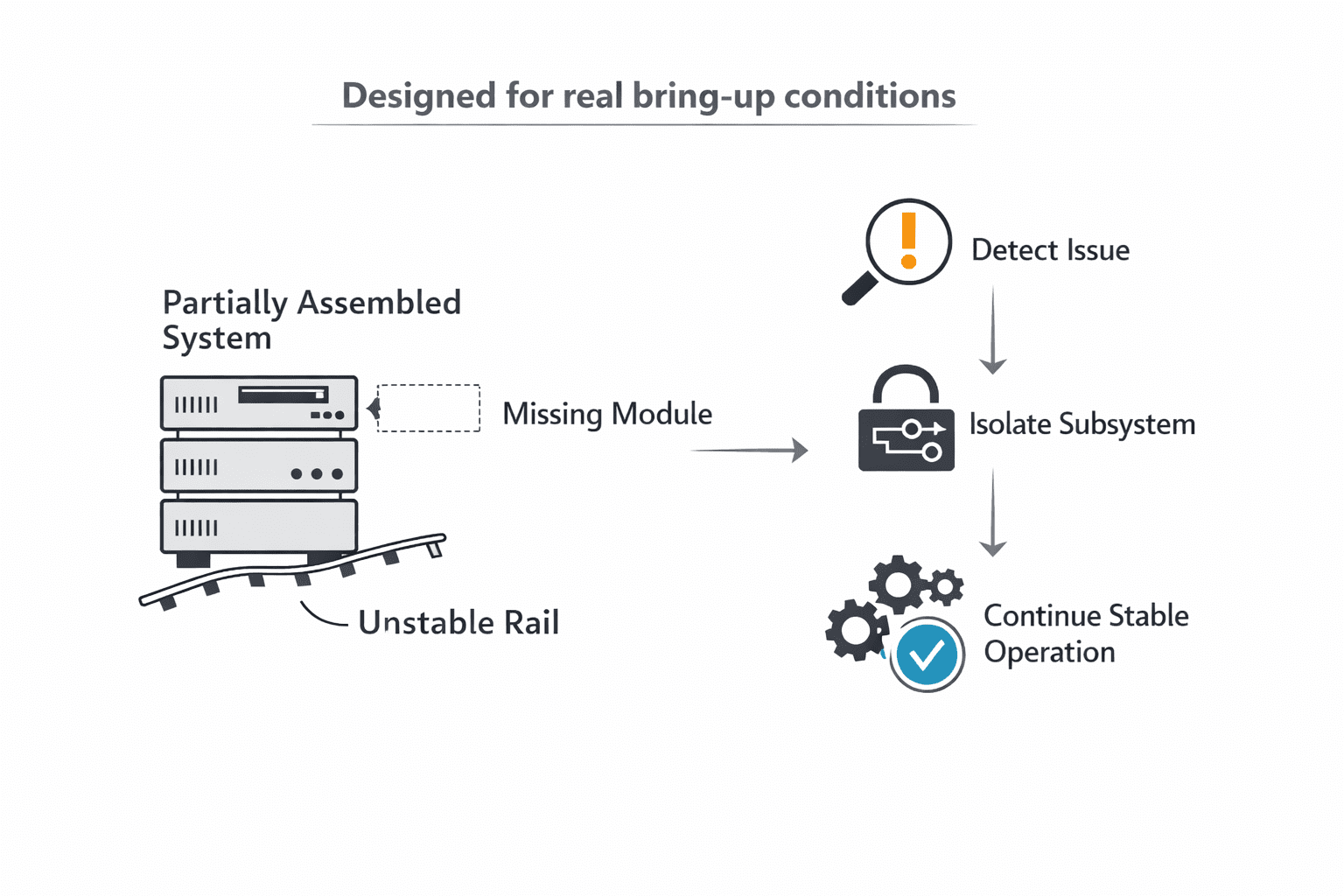
Bring-up rarely happens in ideal conditions, limited tools, incomplete assembly, noisy environments, time pressure. So the board must reduce dependency on perfect setup, communicate clearly under minimal observation, and tolerate partial system states. A self-describing power system turns bring-up from trial-and-error into structured validation.
The core principle
A power rail shouldn't just supply voltage. It should answer: am I present, am I valid, did I come up correctly? When these questions are answered in hardware, the entire system becomes easier to understand.
Final thought
Power systems are often treated as infrastructure, something that quietly supports everything else. But during bring-up, they're the first thing you need to understand. If power is unclear, everything else is uncertain. At Hoomanely, we design power rails to be visible, meaningful, structured, and self-explanatory. Because the fastest way to debug a system is not to probe harder. It's to design the system so it explains itself. And when power does that, bring-up stops being guesswork, and starts becoming engineering.