Flutter

Flutter engineering for hardware-connected apps: scalable architecture, isolates for high-frequency sensor data, offline-first storage, BLE reconnection state machines, and the release automation that ships it all.

A Flutter app talking to Bluetooth hardware in the real world has to handle a lot that a typical mobile app doesn't: connections that drop, sensors that stream faster than the UI can render, and a device pairing flow that has to work for someone who's never touched an app like it before. This hub covers scalable app architecture, isolates, offline-first storage, hardware pairing flows, and the release automation that ships it all reliably.

We write about this because our app is the primary interface between a pet parent and a physical device — if state management breaks under load or a BLE reconnect silently fails, the hardware behind it becomes invisible and useless. Getting the software layer right is as critical as getting the firmware right.

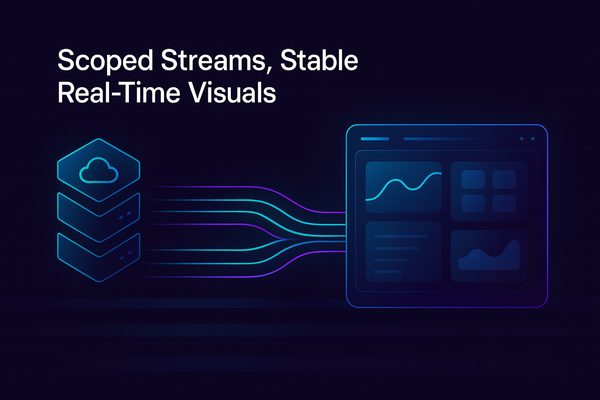
Stacked Architecture in the Real World: Building Scalable Flutter Apps That Stand the Test of Time and The Engineering Principles Behind Scalable Flutter Apps cover how we structure a codebase that outlives its first version. Velvet Frames, Relentless Sensors: Flutter Isolate Pipelines is our approach to keeping high-frequency sensor data off the UI thread. Offline-First With ISAR: Building Faster, More Reliable Flutter Apps and Taming Multi-Stage Hardware Setup: State Machines in Flutter cover local storage and device pairing respectively. Bulletproof BLE Reconnects for iOS & Android documents the reconnection state machine we lean on daily, and Automating Flutter App Deployment With Fastlane covers how releases actually ship.