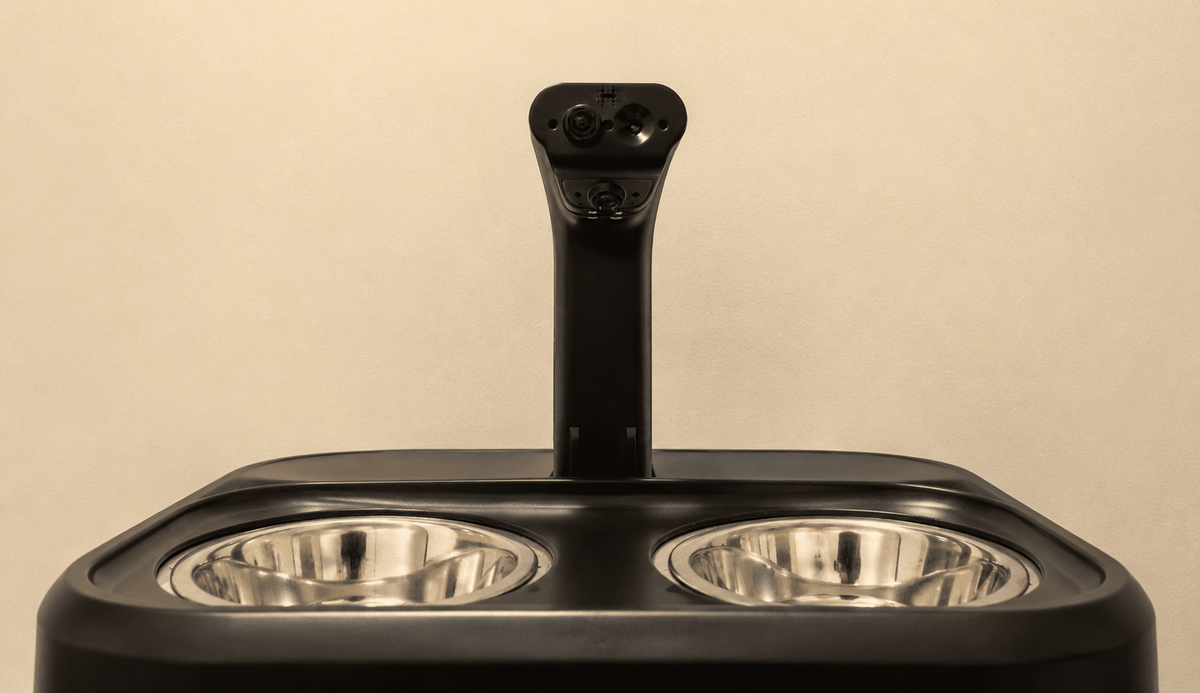
Privacy by Design: Edge AI for Protecting User Data in Smart Home Devices
Smart home devices with cameras carry an inherent tension: the camera needs to see enough to be useful, but anything it sees beyond its intended subject is a privacy liability sitting in someone's home. Running AI at the edge, rather than shipping raw footage to the cloud, is one of the more effective ways to resolve that tension.
Why edge processing matters for privacy
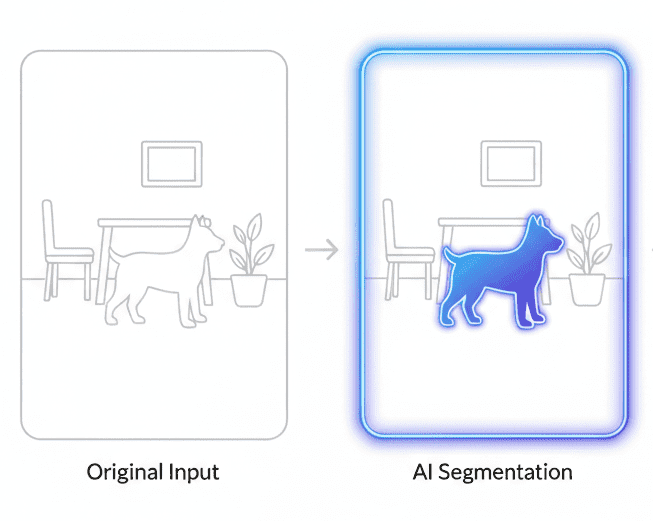
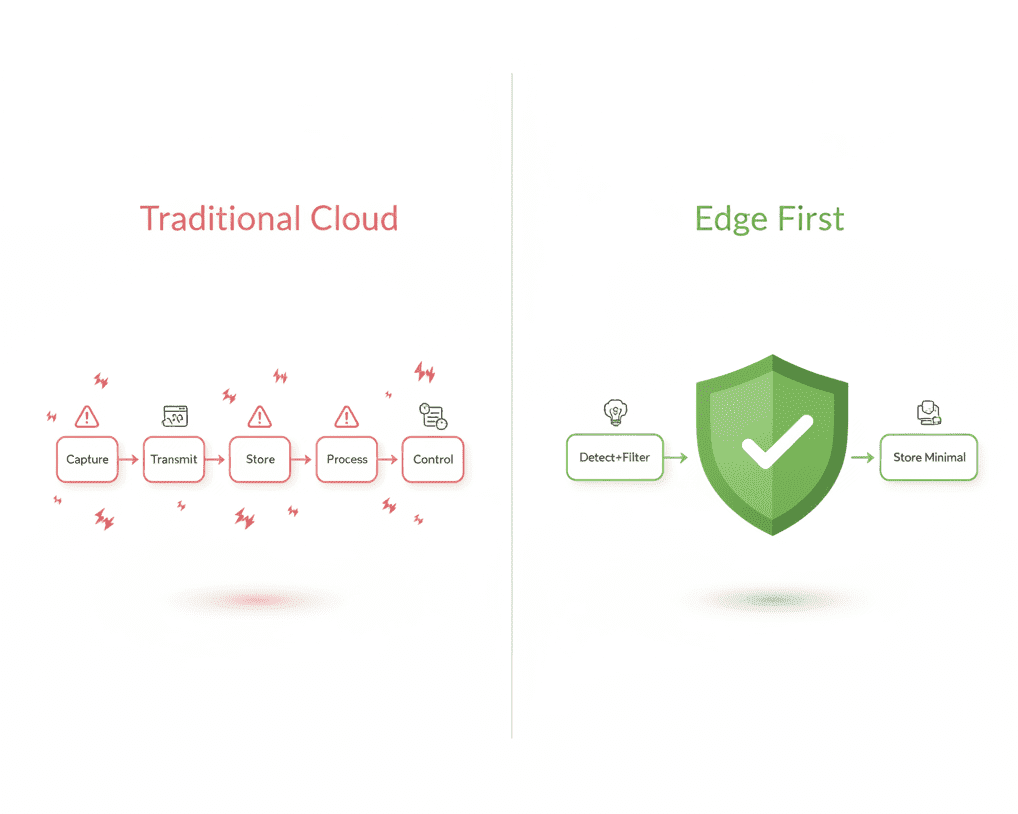
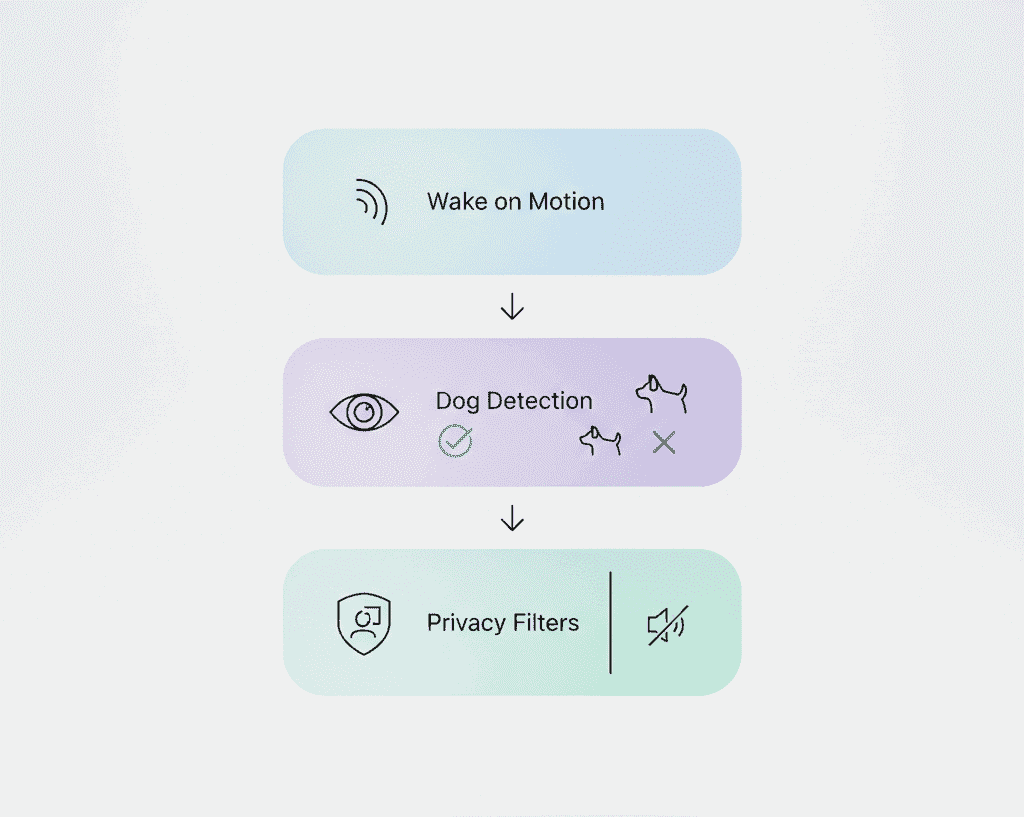
When a device processes video locally and only ever transmits derived signals, like whether a pet is present, what it's doing, or a small cropped detection region, raw footage of a person's kitchen or living room never has to leave the device at all. That's a fundamentally different privacy posture than uploading video streams to the cloud for processing, where every frame containing background context becomes an asset someone has to secure, retain, and eventually delete.
The engineering trade-off
Edge AI isn't free. It constrains you to models small enough to run on embedded hardware, which usually means accepting lower raw accuracy than a cloud-hosted model would give you, or investing in techniques like knowledge distillation to close that gap. It also means the device has to make privacy-relevant decisions, like what to keep and what to discard, before any human or cloud system ever reviews the data.
That trade-off is worth it for products that live inside people's homes. Users are far more comfortable with a device that says "we only ever see a cropped, low-resolution region containing your pet" than one that says "trust us with the full video feed."
Key takeaways
Treat privacy as an architectural decision made at the point of capture, not a policy applied after the fact to already-collected data. Edge inference constrains model size and requires real engineering investment, but it changes the fundamental privacy story of the product: raw sensitive footage never has to exist outside the device in the first place.