Observability

Observability for device fleets you can't physically touch: unified logging, distributed traces, secure telemetry pipelines, and turning thousands of noisy log lines into a handful of real, actionable issues.

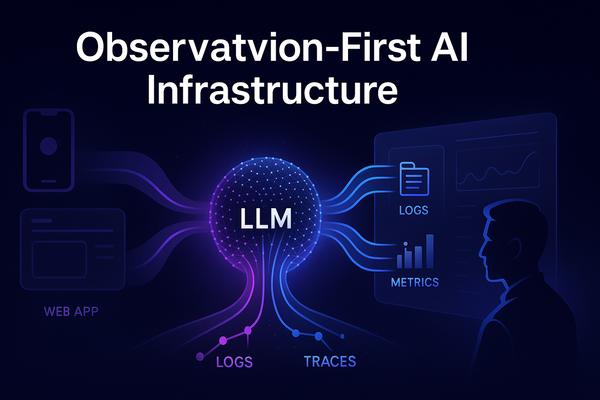
Once a device ships, "it works on my bench" stops being useful — what matters is whether you can tell what a fleet of thousands of devices is actually doing, remotely, without SSH access to any of them. This hub covers observability for device fleets: unified logging across heterogeneous devices, distributed traces, metrics, secure telemetry pipelines, and the process of turning raw log noise into actionable issues.

We invest here because a fleet you can't observe is a fleet you're debugging blind — and by the time a pattern is visible in support tickets, it's already affected far more devices than it should have. Good observability is what turns an emerging failure into a fixable one before it becomes widespread.

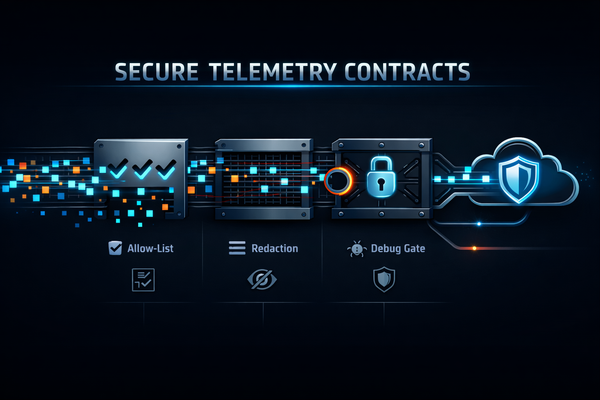
Debugging a Fleet You Can't Touch: Unified Logging covers how we tap the system journal and normalize logs from devices we can't physically access. From Raw Logs to Canonical Issues: Signature Extraction and Topic Modelling for Fleet Observability is how we turn thousands of noisy log lines into a handful of real issues. Noise-Free Edge Logging: Architecting Verbose, Tagged, and Remotely Capturable Logs covers how we keep logs useful without drowning devices in their own telemetry. Secure Telemetry Contracts for Device + AI Stacks covers securing that pipeline end to end, and Closing the Observability Gap Between Sent and Delivered and A Taxonomy of Silence cover the failure modes that don't show up as errors at all — just silence.