Charging Circuits as System Interfaces: A vBus-Centered Perspective
1. Reframing the Topic: Charging Is Not Plumbing
Charging circuits are often treated as settled territory. Choose a controller, follow the reference schematic, confirm thermal margins, and move on. In many organisations, charging is considered infrastructure—important, but fundamentally understood, and rarely revisited once it appears to work.
That assumption does not survive real products.
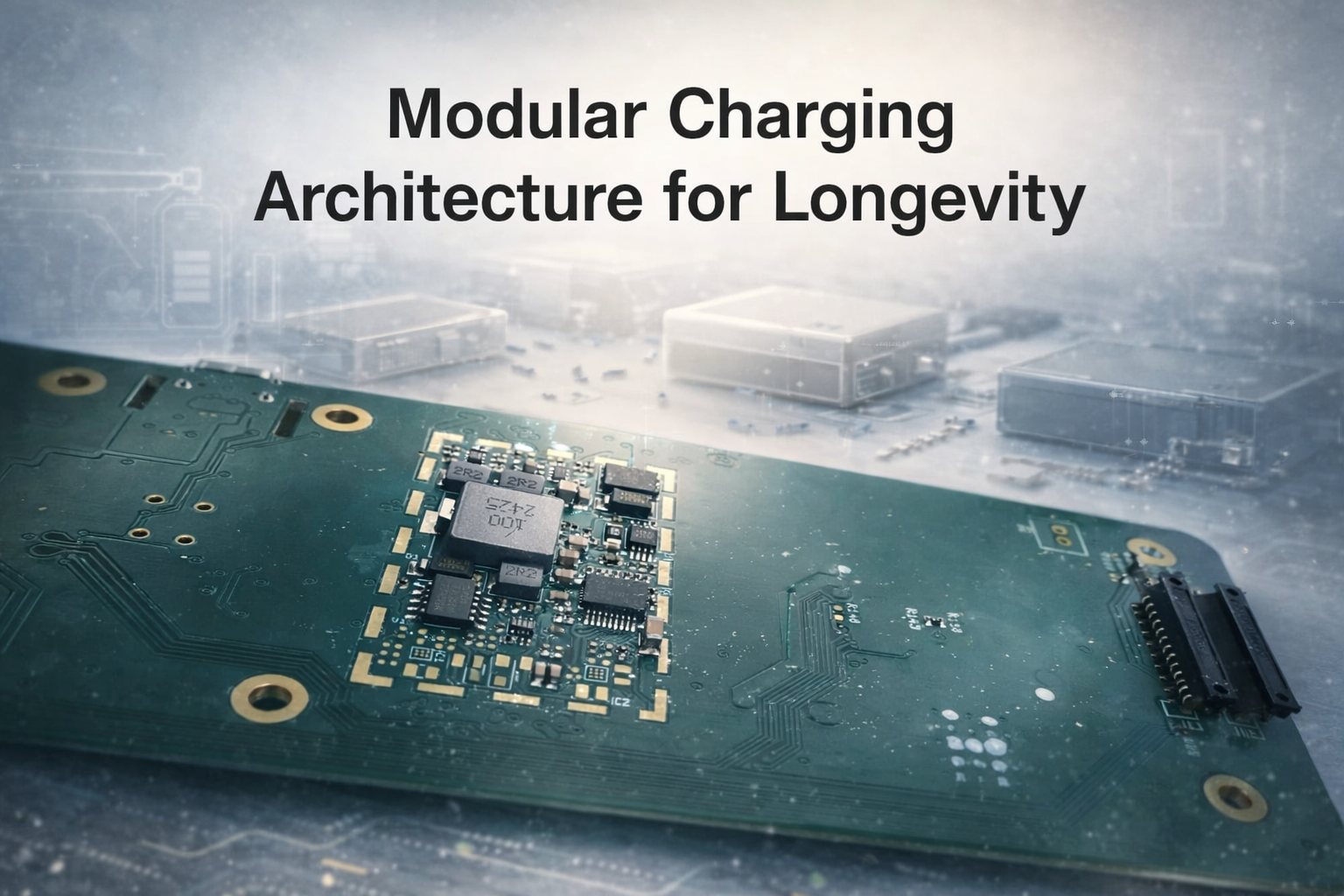
Within Hoomanely’s vBus ecosystem, charging is treated as a first-class system interface. It is not merely a means of replenishing energy; it is one of the few subsystems that continuously bridges electrical design, mechanical interfaces, environmental exposure, and user behaviour. It is exercised daily, often unattended, and under conditions that drift far beyond any nominal test setup.
A charging circuit that merely functions is insufficient. In a modular, long-lived system, it must behave predictably—across connector wear, across temperature gradients inside compact enclosures, across variable power sources, and across years of accumulated use. When it does not, the failure mode is rarely dramatic. Instead, it manifests as inconsistency: unexpected warmth, erratic charge times, or subtle behavioural shifts that quietly erode user trust.
From a vBus perspective, a charging fix is not about correction. It is about identifying architectural assumptions, translating root causes into system-level constraints, and folding those constraints back into the bus so future modules become inherently harder to surprise.
2. The Real-World Operating Context: Charging at the Edge of the System
Charging circuits live closer to users than almost any other electrical block.
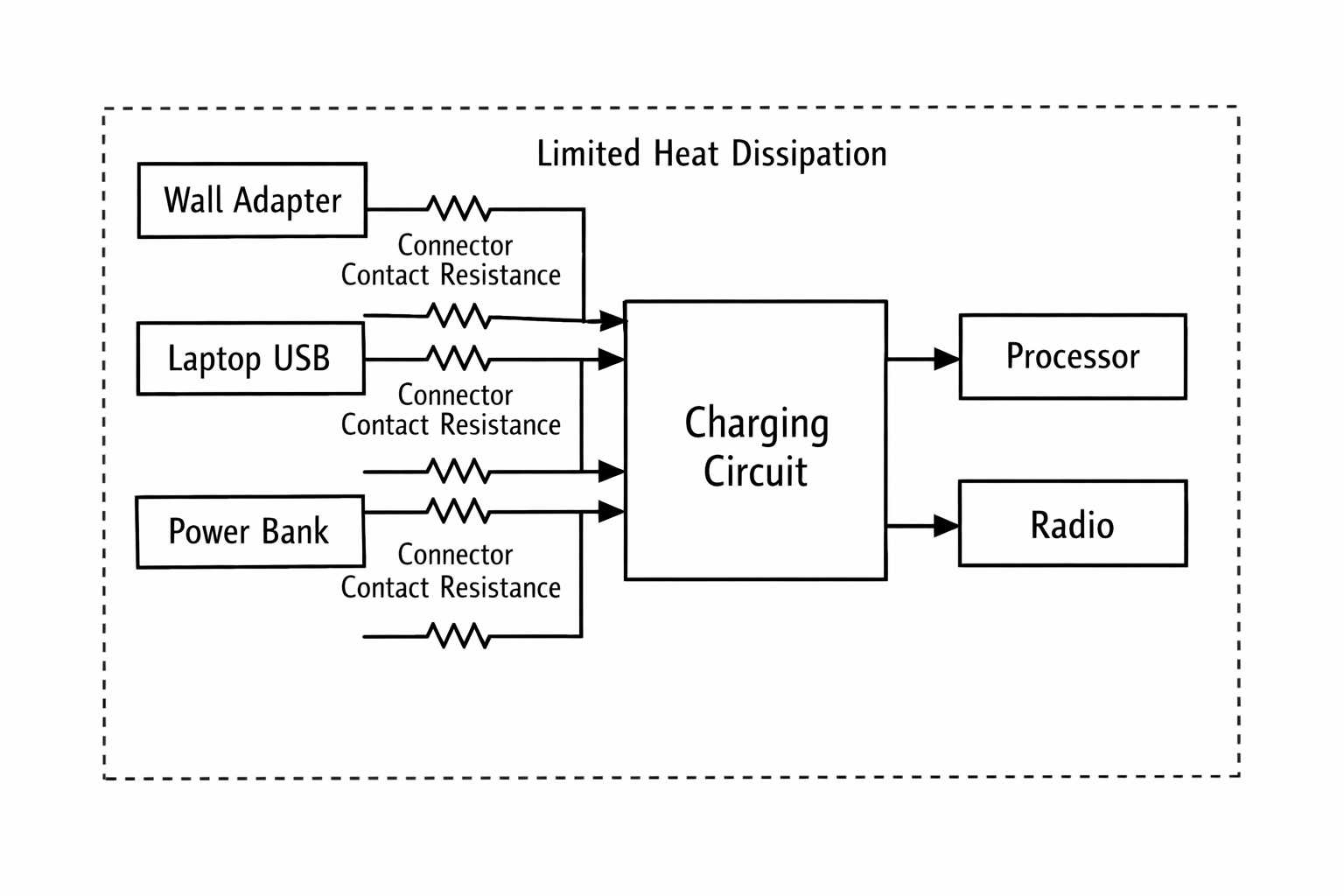
They are touched, flexed, unplugged, and replugged. They are powered from laptop ports, wall adapters of uncertain quality, power banks, vehicle outlets, and cables that introduce their own impedance and noise. Within vBus products, charging often coincides with peak internal activity—processors awake, radios active, enclosures already warm.
Environmental stress compounds this reality. Charging frequently occurs overnight, when heat has nowhere to escape. Connectors accumulate mechanical wear long before they show visible damage. Dust and humidity alter surface behavior incrementally, not catastrophically.
Repetition is the multiplier. A transient that is harmless once becomes relevant when it repeats thousands of times. A connector that drifts slightly out of alignment does not fail outright—it reshapes the electrical boundary conditions the charging circuit experiences. These changes are gradual, but they are relentless.
Within the vBus architecture, charging circuits must therefore tolerate not just worst-case specifications, but history. They must remain stable as the system accumulates physical and electrical memory.
3. Root Cause as an Architectural Signal
In vBus-based systems, root causes are rarely isolated events. They emerge from interactions between modules, power paths, thermal gradients, and time-dependent behaviour.
A narrow fix that addresses a single observable symptom risks reinforcing an incomplete model. Instead, charging behaviour is treated as evidence of a deeper system property—an assumption that held locally, but not globally.
For example, a current limit that is electrically sound on a bench may interact differently once the charging module shares enclosure volume with a thermally active compute SoM. A voltage reference that is stable in isolation may drift when ground impedance shifts across stacked modules. These are not design errors; they are architectural blind spots.
The vBus approach treats such observations as signals. The response is not merely to adjust a threshold, but to re-examine how power, heat, and mechanical interfaces are negotiated across the bus.
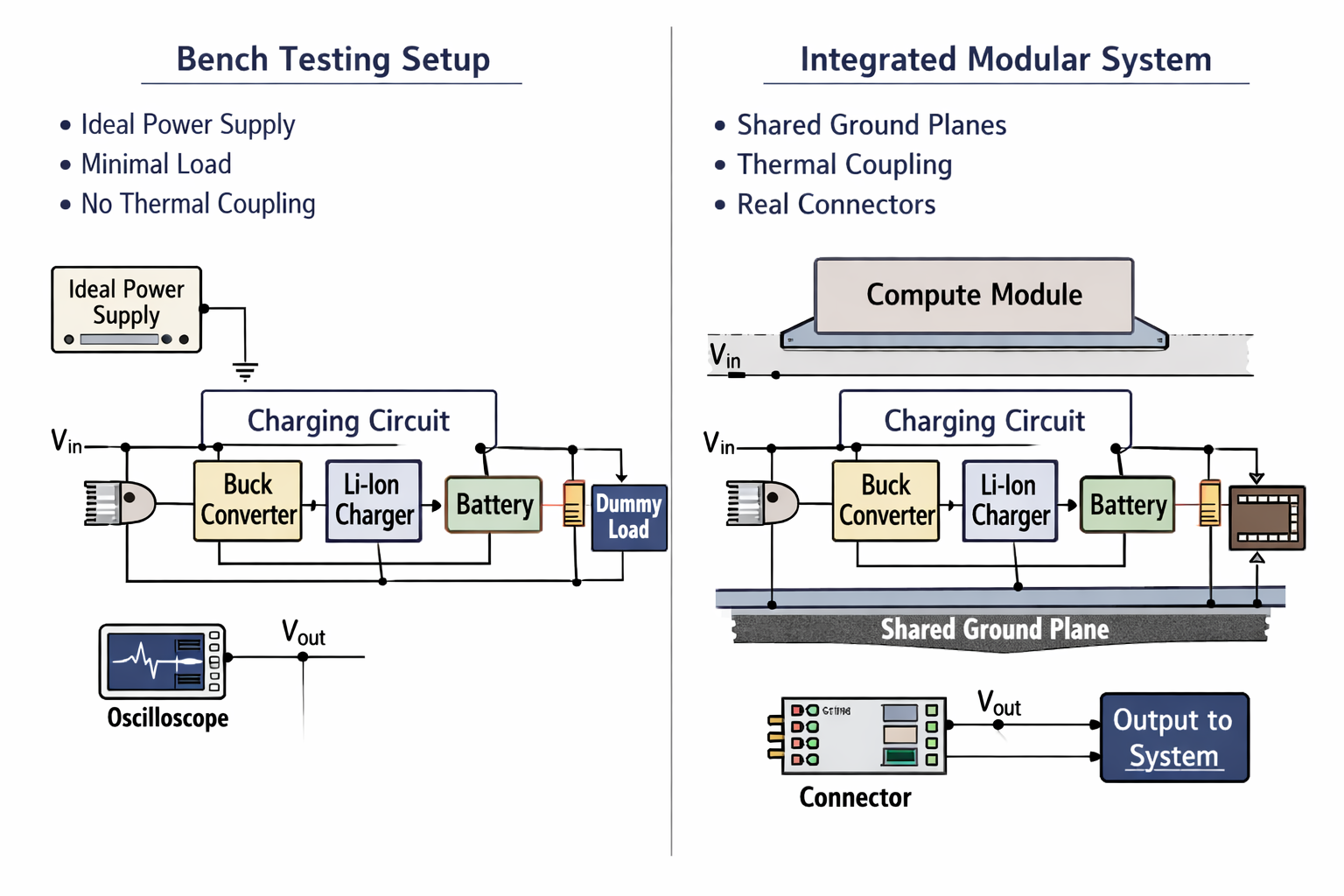
4. Charging as a Negotiation Across Modules
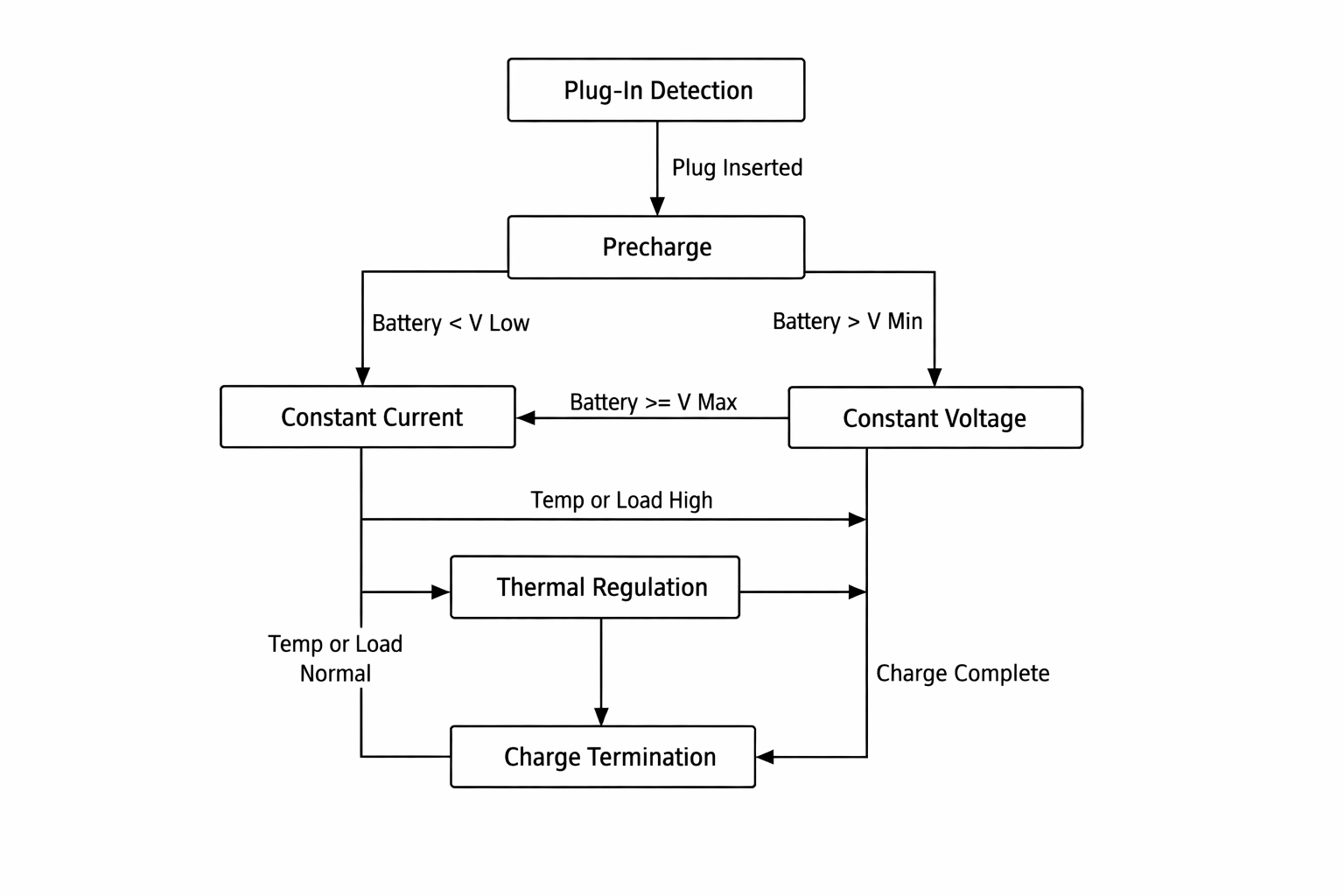
Charging within vBus products is inherently dynamic. It is shaped by the power source, battery state, internal resistance, enclosure temperature, and concurrent system activity. Treating charging as a steady-state problem simplifies analysis but obscures the transitions that matter most.
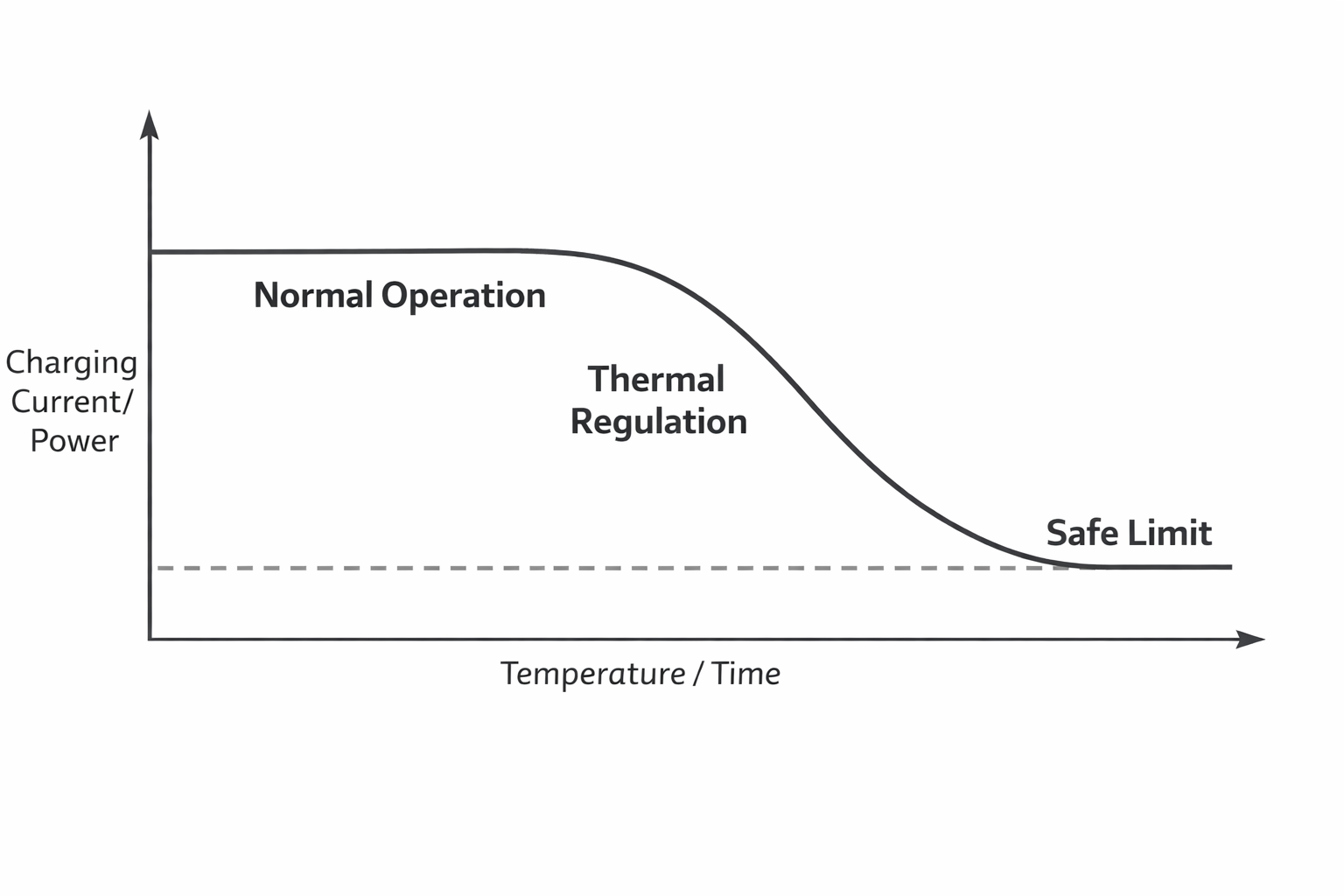
Most charging-related stress surfaces during edges: plug-in events, mode transitions, taper phases, or thermal regulation boundaries. These moments compress uncertainty. They are where independent assumptions collide.
vBus design reasoning emphasises calm transitions. The system is expected not only to reach the correct operating state, but to arrive there without drama. This is achieved by designing margins around interaction points—between modules, across connectors, and through shared thermal paths—rather than optimising purely for nominal efficiency.
5. The Constraint Triangle Within vBus
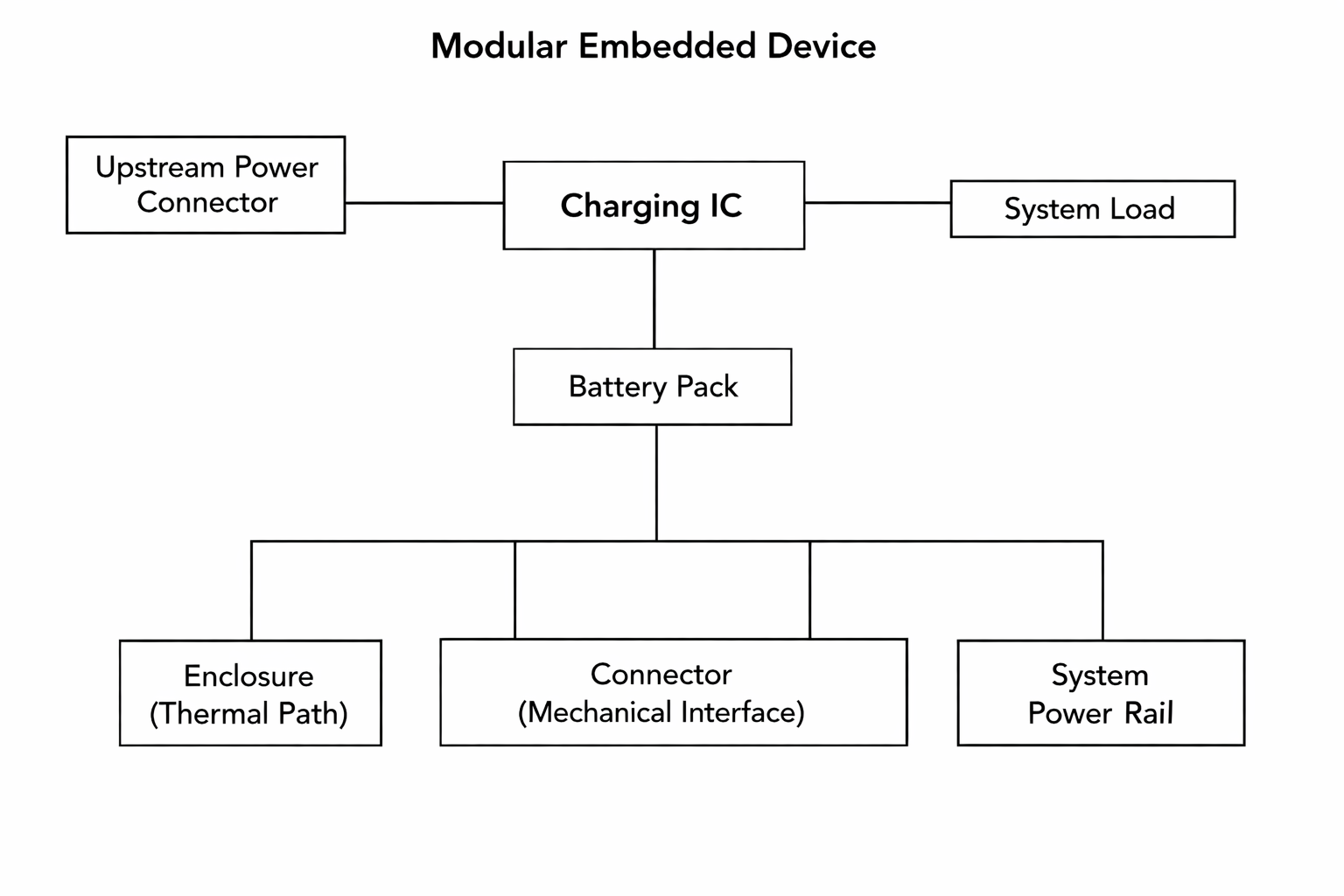
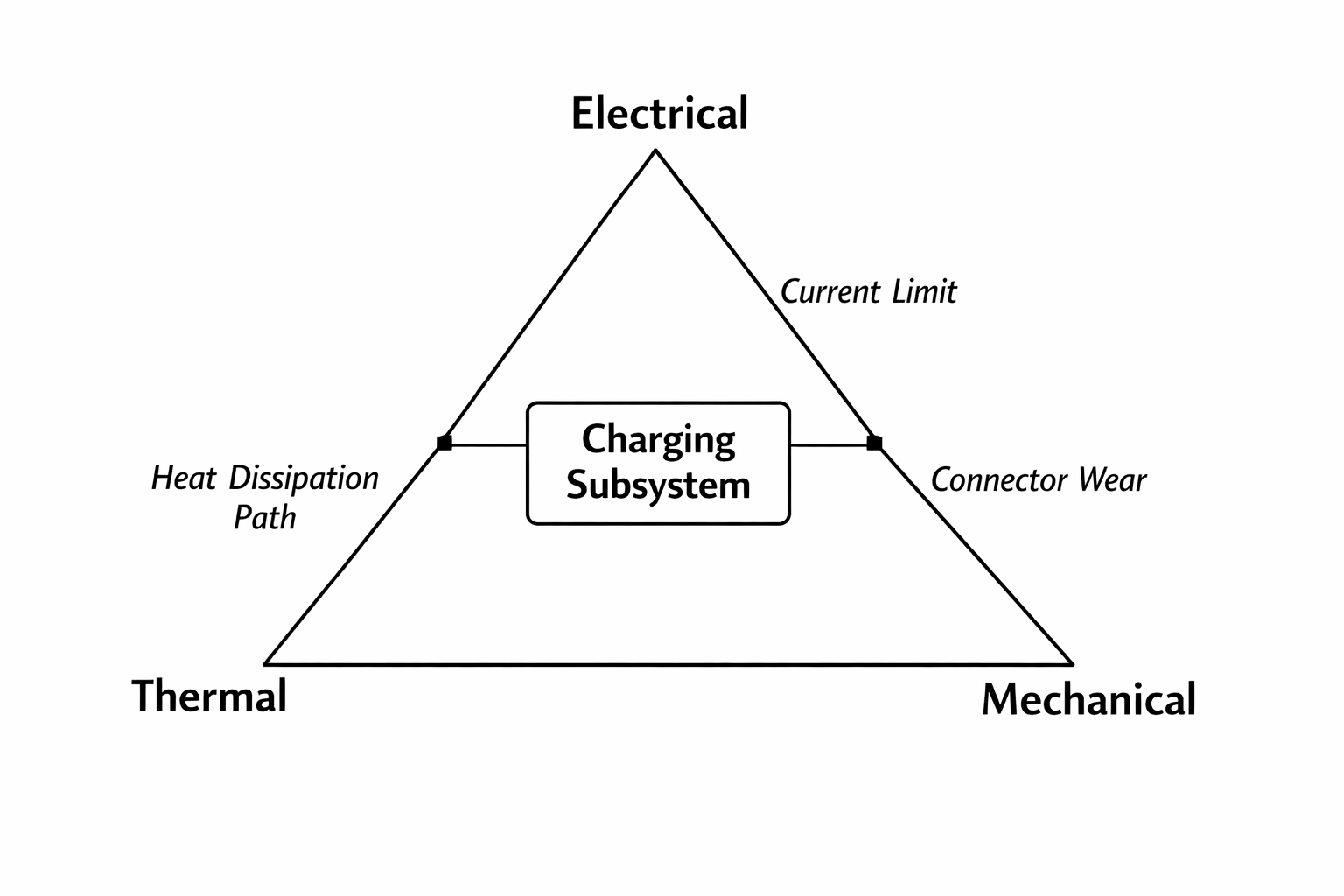
Charging circuits sit at a three-way intersection that vBus makes explicit:
- Electrical constraints govern power delivery, regulation, and safety.
- Thermal constraints emerge from dense stacking, enclosure coupling, and cumulative heat exposure.
- Mechanical constraints arise from connectors, strain relief, and repeated user interaction.
Within a modular architecture, these constraints cannot be resolved sequentially. Improving electrical margin without considering thermal coupling shifts stress elsewhere. Reinforcing mechanical interfaces alters impedance and grounding behaviour. Thermal mitigation strategies influence enclosure clearances and connector placement.
vBus forces these considerations into the same conversation. Charging robustness emerges not from optimising any single axis, but from treating all three as coequal system boundaries.
6. Invisible Forces: Time, Heat, and Integration
Some of the most influential forces shaping charging behaviour are not immediately measurable.
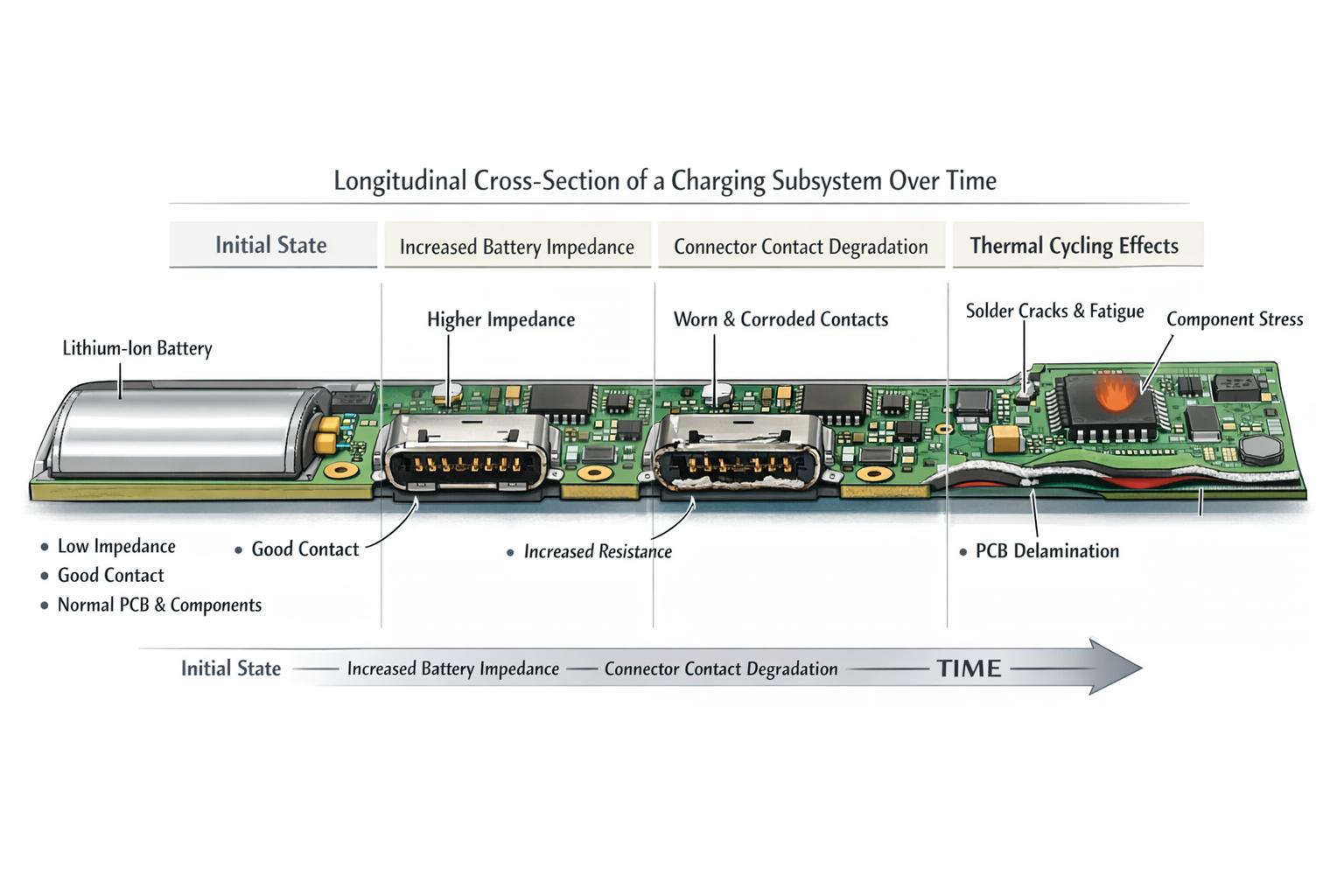
Time alters component characteristics, battery impedance, and interface behaviour. Heat—particularly cumulative thermal cycling—reshapes materials, solder joints, and PCB substrates. Manufacturing tolerances widen the distribution that the system must survive, not just on day one, but across production scale.
Integration effects complete the picture. Charging does not occur in isolation; it overlaps with wireless activity, compute load, and user interaction. Within vBus, these interactions are explicit. Shared grounds, shared thermal mass, and shared mechanical constraints expose coupling paths that isolated evaluation would miss.
These forces are not edge cases. They define the true operating envelope.
7. Designing for Longevity Through vBus
Longevity is not the absence of deviation. It is the presence of predictable behaviour as conditions evolve.
A charging circuit designed within the vBus philosophy does not attempt to eliminate all variation. Instead, it ensures that variation remains monotonic and legible. When conditions worsen, behaviour degrades smoothly. When limits are reached, responses are consistent.
This legibility matters. Users may not understand the mechanics of thermal derating or current limiting, but they understand patterns. Consistency builds trust. Quiet behaviour earns confidence.
Within vBus, charging is designed to age gracefully—remaining understandable to the system itself, to service tools, and ultimately to users.
8. Charging as a System-Level Commitment
Charging decisions ripple outward.
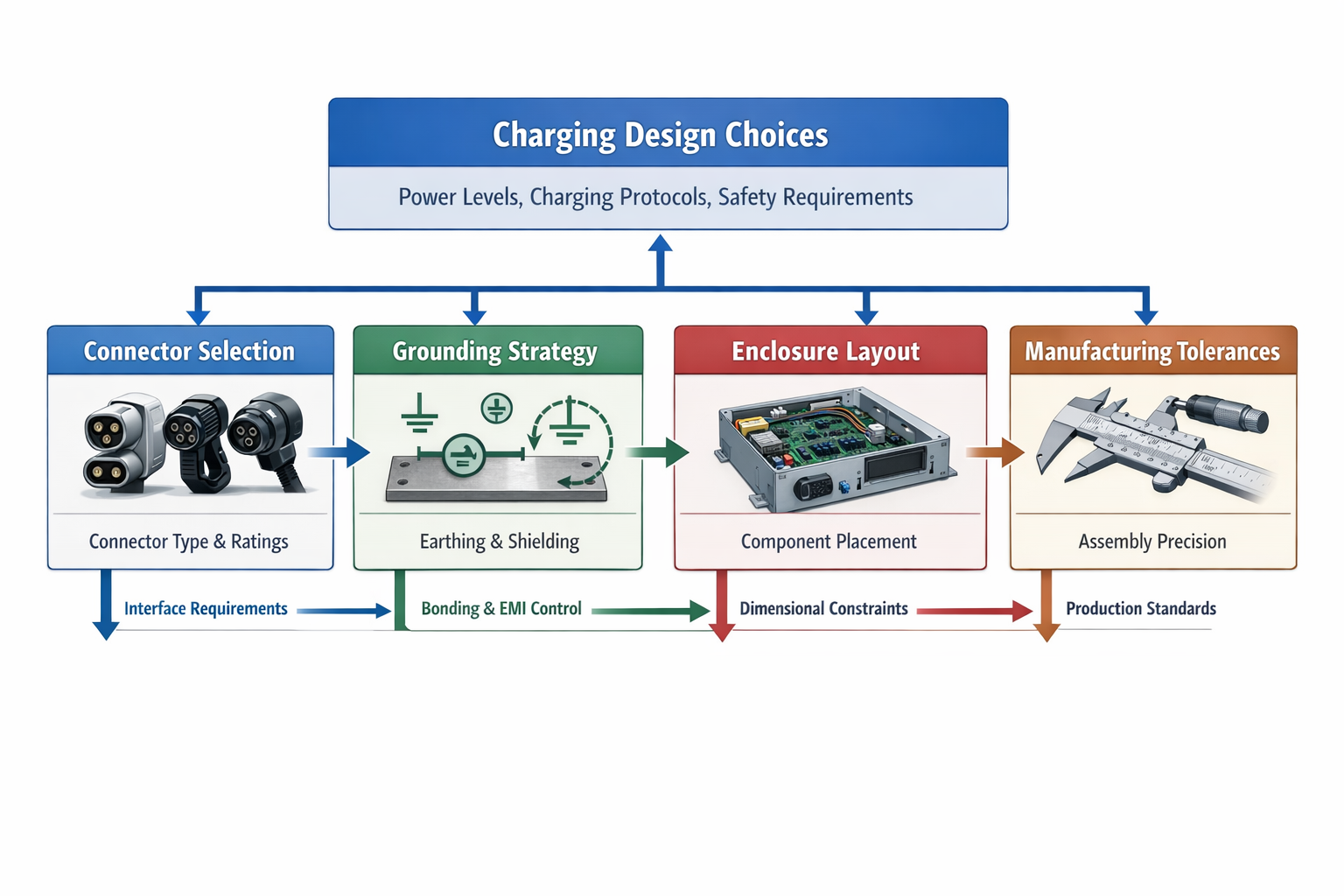
Connector placement influences mechanical longevity. Grounding strategy affects noise across adjacent modules. Manufacturing repeatability determines whether a fix scales cleanly across thousands of units. Serviceability shapes how quickly ambiguity can be resolved when something feels “off.”
In vBus systems, charging is never a local decision. It is a system-level commitment to predictability, safety, and long-term trust.
9. Conclusion: Architecture That Resists Surprise
A charging circuit post-mortem is not about what went wrong. It is about what the system revealed about its own assumptions.
When root causes are interpreted architecturally, fixes become frameworks. They inform future module designs, influence early layout decisions, and reduce the probability of recurrence—not through patching, but through structure.
Within Hoomanely’s vBus ecosystem, charging is treated as foundational infrastructure. It is exercised daily, operates under compounded stress, and accumulates history silently. Treating it casually invites gradual erosion of quality. Treating it as a first-class system earns durability.
Thoughtful engineering does not chase perfection. It builds architectures that hold their shape as reality changes. Over time, that restraint matters far more than any single fix ever could.